The Importance of Decluttering Childhood Memorabilia
Decluttering childhood memorabilia helps create a serene and harmonious living environment. It’s about keeping the items that spark joy and letting go of those that don’t serve a purpose anymore.
The Emotional Connection to Childhood Items
Childhood items often carry strong emotional connections. Toys, school projects, and handwritten notes (for example) remind you of simpler times and cherished memories. These items can evoke nostalgia, making it challenging to part with them. When you carefully select which items to keep, you ensure that only those that truly bring happiness remain.
The Benefits of Decluttering
Decluttering offers several benefits. It reduces physical clutter, promoting a more organised and attractive living space.
 It also improves mental well-being by decreasing stress associated with cluttered environments. According to a 2010 Princeton University study, physical clutter in your surroundings competes for your attention, potentially reducing performance and increasing stress. Decluttering lets you focus on the present, fostering a sense of peace and accomplishment.
How to Start the Decluttering Process
Decluttering childhood memorabilia can feel overwhelming. Following a structured approach makes the process manageable and even enjoyable.
Sorting Through the Memorabilia
Begin by gathering all your childhood items in one place. This enables you to see the volume and variety of memorabilia. Examples include toys, school papers, and photo albums. Allocate a specific time for this task to avoid interruptions and stay focused.
Next, categorize items by type. For instance, put all toys in one group and school reports in another. This helps you evaluate each category separately and reduces decision fatigue. You might initially feel attached to many items, but remember your goal is to find what truly brings joy.
Once categorized, pick one group to start with and go through each item individually. Hold each piece and ask yourself if it sparks joy or holds significant value. If it doesn’t, consider letting it go. Revisit the categories until all items have been evaluated.
Setting Criteria for Keeping Items
Define clear criteria for what to keep. Criteria can be based on emotional attachment, historical value, or functional use. For example, you might keep items that remind you of a milestone or a special person.
Create a “joy” scale from 1 to 10 and rate each item. Items rating high on the scale stay; others go. This objective method helps prevent keeping things out of guilt or obligation.
Practical use is another factor. If you find an item useful, it might warrant keeping. However, limit the number of usable items if they’re redundant.
Consider long-term storage options for irreplaceable items but avoid storing everything just because you have space. Aim to keep items that add value to your life now.
You Might Also Like
By setting specific criteria and thoughtfully sorting through your memorabilia, you ensure a meaningful decluttering experience.
Methods to Organise Memorabilia That Sparks Joy
Childhood memorabilia can often carry significant emotional weight. By organising these items effectively, you can ensure only those that spark joy remain in your collection.
Creating Keepsake Boxes
Creating keepsake boxes is an effective way to manage cherished items. Start with small, clear containers, which allows you to see the contents easily. Label each box based on categories like school projects, photos, or travel souvenirs. This helps you find items quickly and keeps everything neatly stored.
Use acid-free paper when lining the boxes to prevent damage over time. This small step ensures your memorabilia, such as old letters or delicate fabrics, remain in good condition. By grouping similar items, you can easily access specific memories without sifting through everything.
Digitizing Precious Memories
Digitizing precious memories is another excellent method for preserving important items while saving space. Convert physical photos and documents into digital files using a scanner. Store these files on cloud services like Google Drive or Dropbox for easy access and backup.
Label digital folders clearly to mirror your physical keepsake boxes’ categories. This way, you maintain a consistent organizational system between your physical and digital collections. For instance, create folders labeled “Family Photos” or “School Projects.”
Consider using a digital photo frame to display rotating images. This allows you to enjoy your memories daily without cluttering physical space. Digitizing items ensures you retain access to your cherished memories while maintaining an uncluttered living environment.
Sharing and Preserving Memories
Decluttering childhood memorabilia can be a rewarding experience. Ensuring others benefit from items you’re ready to part with makes the process even more fulfilling.
Donate Items to Spark Joy for Others
Donate memorabilia that doesn’t fit into your cherished collection. Schools and community centres often welcome books and toys. Charities like Goodwill and Salvation Army accept a wide range of items, from clothing to sports equipment.
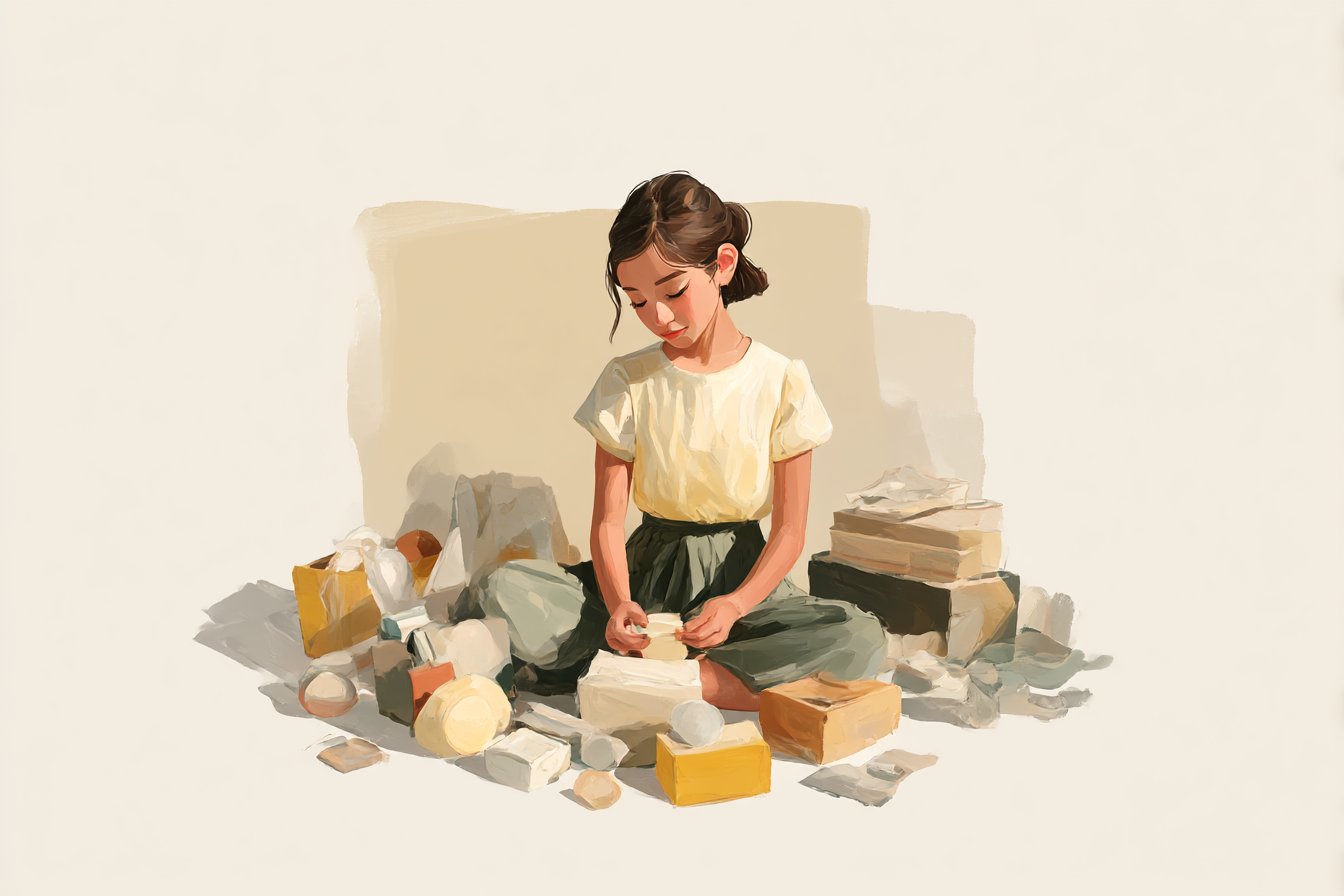 By donating, you extend the lifespan of these belongings and provide joy to those in need.
Creating Memory Albums or Displays
Preserve special items by creating themed memory albums or displays. Categorize photos, certificates, and small mementos in a scrapbook. Display larger items, like trophies and artwork, in shadow boxes. This way, you keep precious memories accessible and organised. Using quality materials like acid-free paper helps ensure longevity and protection from damage.
Conclusion
Decluttering your childhood memorabilia isn’t just about making space; it’s about honoring what truly matters to you. By focusing on what sparks joy and finding practical ways to preserve your treasures, you create a more organised and peaceful living environment. Sharing your memories with others and donating to meaningful causes adds an extra layer of fulfillment.
Remember, it’s not about letting go of the past, but cherishing the moments that shaped you. So take your time, enjoy the process, and keep those special memories close to your heart.

Carl, an ardent advocate for sustainable living, contributes his extensive knowledge to Zero Emission Journey. With a professional background in environmental policy, he offers practical advice on reducing carbon footprints and living an eco-friendly lifestyle. His articles range from exploring renewable energy solutions to providing tips on sustainable travel and waste reduction. Carl’s passion for a greener planet is evident in his writing, inspiring readers to make impactful environmental choices in their daily lives.