The Evolution of Kids’ Artwork Display
Children’s artwork is often abundant, but curating it intentionally can transform your space. Adopting a minimalist approach helps create an environment where each piece gets its due appreciation.
From Clutter to Clarity: Why Minimalism?
Minimalism focuses on simplicity and order. By displaying fewer pieces, you can highlight the significance of each artwork. This approach not only reduces visual clutter but also fosters a serene environment. An organised display encourages kids to value their creations, enhancing their sense of pride and achievement.
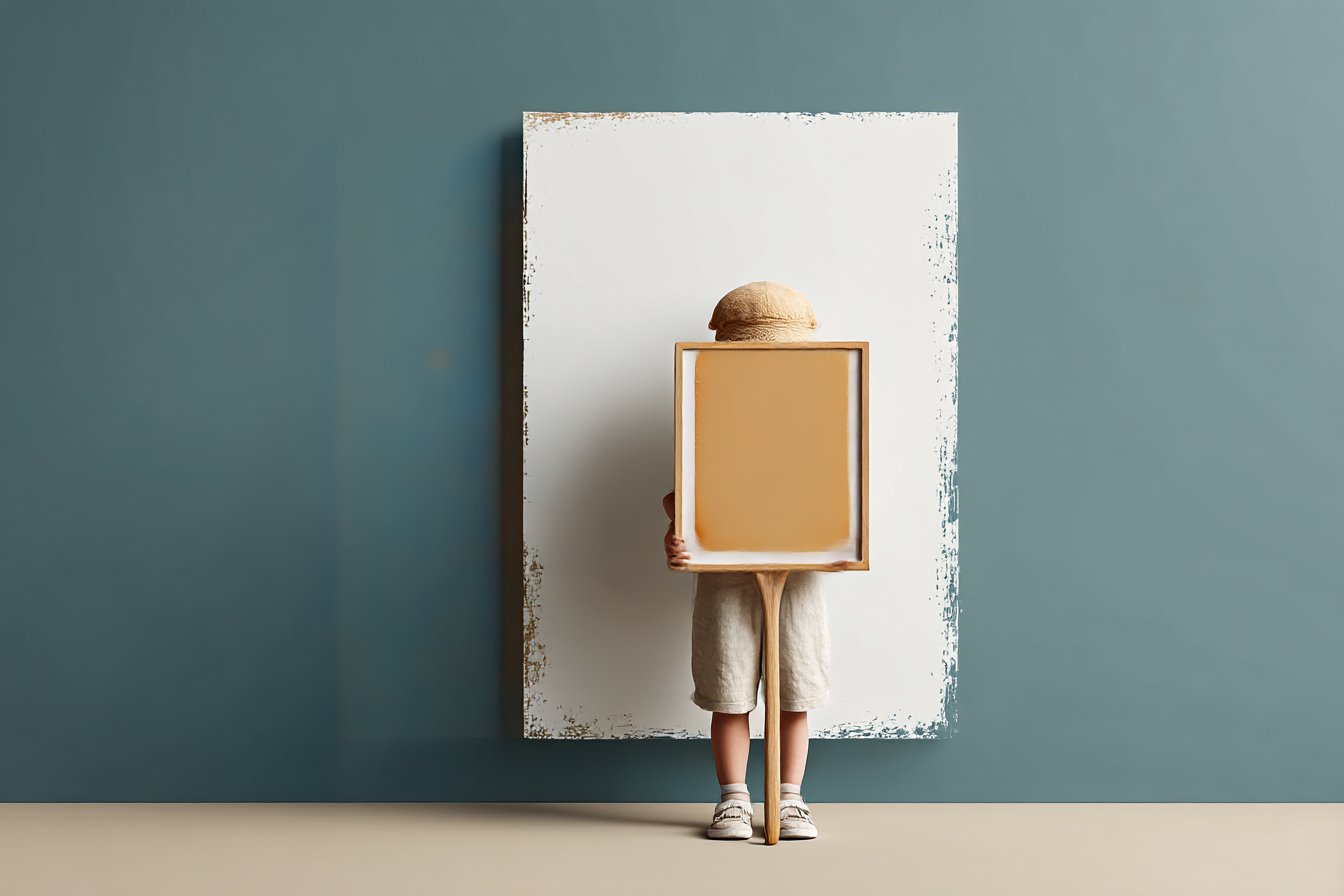
A common minimalist technique involves rotating the artwork. For instance, you can showcase a few pieces at a time and store the rest.
 This method keeps the display fresh without overwhelming the space. Digital galleries are another option. Capture each piece digitally, allowing you to keep a permanent record without physical clutter.
Historical Approaches Versus Modern Minimalism
Historically, children’s artwork often covered every available surface, from refrigerators to walls. While this method celebrated creativity, it contributed to a chaotic visual environment. Modern minimalism shifts the focus to selective display, emphasizing quality over quantity.
Modern techniques integrate functionality and aesthetics. Use a dedicated art wall or a framing system that allows easy changes. Corkboards or magnetic strips can hold selected pieces, making it simple to swap them out periodically. Interactive digital frames offer another contemporary solution, displaying a rotating selection of artworks.
Adopting minimalism in displaying kids’ artwork aligns with broader trends towards mindfulness and intentional living. It helps create spaces that are not only beautiful but also supportive of mental well-being.
Understanding Minimalism in Art Display
Incorporating minimalism into your life brings tranquility by living with less. Displaying kids’ artwork with intention can help achieve this calm and balance.
What is Minimalism?
Minimalism, popularized in art and design in the 1960s, focuses on simplicity and eliminating excess. This approach elevates the importance of each item, providing clarity and intentionality. By embracing minimalism, you can create spaces that feel more open, serene, and clutter-free. Minimalist art display means showcasing fewer pieces to let each one stand out, fostering an environment of mindfulness and appreciation.
- Intentional Selection: Choose artwork that holds the most significance, allowing each piece to have ample space. Display only a few favorites at a time to avoid visual clutter.
- Rotational Display: Rotate the artwork periodically to keep the display fresh and engaging. This method maintains interest while keeping displays concise.
- Functional Frames: Use simple, unadorned frames that complement the artwork without overshadowing it. White, black, or natural wood frames often work best.
- Designated Spaces: Create dedicated art walls or specific areas in your home where artwork is displayed. This helps maintain a cohesive look and prevents random clutter.
- Digital Archives: Utilize digital solutions to store and showcase artwork virtually. Apps and digital frames can be used to display rotating images without physical storage concerns.
These minimalist techniques not only enhance the aesthetic appeal of your home but also promote a calming and organised environment. By displaying kids’ artwork with intention and simplicity, you celebrate creativity while enjoying the benefits of a minimalist lifestyle.
Benefits of a Minimalist Approach
Simplifying kids’ artwork displays brings numerous advantages. A minimalist approach transforms your home environment, making it more serene and organised.
Enhancing Focus and Appreciation
Displaying fewer pieces of artwork can amplify their impact. When you limit the number of displayed artworks, each piece receives more attention. You and your child can take the time to appreciate the details and effort put into each creation. This focus encourages a deeper connection to the artwork, fostering a sense of pride and accomplishment in your child.
Minimalism in art display also reduces visual clutter. Your home feels calmer and more orderly, allowing you to enjoy and engage with each artwork without distraction. A clean, uncluttered space can enhance your overall well-being by creating a more peaceful atmosphere.
Simplifying Home Decor
A minimalist approach simplifies your home decor by incorporating kids’ artwork into a cohesive design. By selecting a few meaningful pieces for display, you can seamlessly integrate them into your existing decor. For example, you could use matching frames or a dedicated art wall to create a unified look.
Simplified artwork displays make it easier to manage ongoing creations. You can implement a rotational system, where new artwork replaces old ones at regular intervals. This method maintains freshness and prevents accumulation. Digital archives can also help manage the volume of artwork, allowing you to preserve memories without physical clutter.
By adopting a minimalist approach, you enhance the aesthetic appeal and functionality of your living space. Your home becomes a sanctuary that celebrates creativity without overwhelming your senses.
You Might Also Like

How to Implement Minimalism in Displaying Kids’ Artwork
Exploring minimalist techniques to display your child’s artwork can be both rewarding and manageable. Here are some practical ways to embrace minimalism while celebrating your little one’s creativity.
Choosing the Right Spaces
Displaying kids’ artwork thoughtfully involves selecting spaces that enhance visibility without overwhelming the environment. Consider these options:
- Dedicated Wall Area: Choose a specific wall to feature rotating artworks. This keeps the display organised and distinct from other home decor.
- Hallways and Corners: Utilize less common areas like hallways or corners to exhibit art. These locations can become focal points without cluttering main living spaces.
- Frames and Shelves: Use frames or floating shelves to create a gallery-like setup. Frames protect the artwork, while shelves allow quick swaps.
Selecting Pieces with Intention
Choosing pieces with care ensures each artwork receives the attention it deserves. Follow these tips:
- Curate Favorites: Select artwork that your child is proud of or that holds special memories. This emphasizes quality over quantity.
- Rotate Regularly: Change the display periodically to keep the experience fresh. This avoids overcrowding and allows new pieces to shine.
- Involve Your Child: Let your child help in selecting which pieces to display. This engages them in the process and makes the display more meaningful.
By thoughtfully choosing spaces and selecting pieces intentionally, you can create a minimalist display that celebrates your child’s creativity while maintaining a serene and organised home environment.
Real-Life Examples of Minimalist Displays
Parents who embrace minimalism often find unique ways to showcase their children’s artwork. Let’s take a closer look.
Case Studies and Success Stories
Sophia’s Art Wall
Sophia transformed a small section of her living room wall into a dedicated space for her daughter’s paintings. By using a single floating shelf and rotating the artworks every month, she keeps the display fresh and uncluttered. Sophia saw a mood improvement due to the organised space and her child’s excitement for showcasing new pieces.
Liam’s Gallery Frame
Liam implemented a gallery frame in his hallway. This frame has a built-in matting and storage for up to 50 pieces. He rotates the displayed picture weekly. The entire family enjoys revisiting past artworks without overwhelming the entire home.
Jake’s Art String
Jake chose a minimalist display by hanging a single string across his child’s bedroom wall. He uses wooden clothespins to attach the drawings. This method allows easy updates and limits the total number of displayed items to maintain a tidy look.
Interview Highlights with Parents
Mia from Brooklyn
Mia balanced aesthetic appeal with sentimental value. When interviewed, she mentioned, “We use a bulletin board with a neutral backdrop. Each month, we have ‘art night’ where we pick the top pieces to display.
 It keeps everything manageable and special.”
Ethan from San Francisco
Ethan shared his method of using digital frames. “We scan our favorite pieces and upload them to a digital frame in the kitchen. It rotates through the artworks and adds a modern touch while saving physical space.”
Olivia from Seattle
Olivia adopted a minimalist approach by creating a scrapbook. In her words, “We collect selective artwork throughout the year and compile it into a yearly scrapbook. It’s a cherished family tradition now and everyone loves looking through it.”
These real-life examples illustrate how minimalist displays can effectively celebrate children’s creativity while maintaining an organised and serene living environment.
Conclusion
Embracing a minimalist approach to displaying your kids’ artwork can transform your home into a serene and organised space while still celebrating their creativity. By curating and rotating their masterpieces, you can highlight the most meaningful pieces without feeling overwhelmed by clutter.
Remember to involve your child in the process, making it a fun and collaborative effort. Whether you’re using dedicated wall areas, shelves, or digital frames, there are plenty of ways to showcase their art with intention.
Ultimately, it’s about finding a balance that works for your family and brings joy to your home. Happy displaying!

Carl, an ardent advocate for sustainable living, contributes his extensive knowledge to Zero Emission Journey. With a professional background in environmental policy, he offers practical advice on reducing carbon footprints and living an eco-friendly lifestyle. His articles range from exploring renewable energy solutions to providing tips on sustainable travel and waste reduction. Carl’s passion for a greener planet is evident in his writing, inspiring readers to make impactful environmental choices in their daily lives.