The Importance of Decluttering Kids’ Toys
Why Reducing Toy Clutter Matters
Reducing toy clutter creates a more organised and calming environment for both you and your children. Excessive toys can overwhelm kids, making it difficult for them to focus. Removing unnecessary items helps them engage better with the toys they truly enjoy. According to research, too many toys can limit a child’s ability to develop creativity as they may constantly switch between items without deep engagement.
Clutter-free spaces promote better play habits. With fewer distractions, children can concentrate on play, enhancing their cognitive development. A decluttered space is also easier to clean and maintain, contributing to a smoother daily routine.
The Benefits for Children and Parents
Decluttering offers tangible benefits for both children and parents.
 For children, fewer toys mean more meaningful play. They can build stronger attachments with their toys and develop deeper imaginative skills. Studies show that kids with fewer toys are more likely to invent games, leading to improved problem-solving abilities.
For parents, a decluttered toy space reduces stress and anxiety. It saves time spent on cleaning, allowing more quality time with your children. Involving kids in the decluttering process teaches them responsibility and the importance of valuing their possessions. They learn essential skills of organization and decision-making that benefit them throughout life.
Setting the Stage for Decluttering
Decluttering toys begins with setting the right environment. Your children’s mindset and the physical space play crucial roles.
Involving Your Kids in the Process
Engage your children in decluttering to teach them valuable life skills. Explain the benefits: more space, easier to find favorite toys, and a tidier room. Show empathy towards their attachment to certain toys. You could say, “I know this toy was once your favorite, but you’ve outgrown it.” Use games or challenges like “find five toys you don’t use” to make it fun.
Establishing Decluttering Rules Together
Create decluttering rules to set clear expectations. Discuss and agree on these rules with your kids. For instance, decide on a maximum number of toys to keep. Use categories, such as keeping toys in good condition, or those they play with frequently. Written rules help maintain consistency. Initiate a reward system for following rules, reinforcing positive behavior through incentives.
Practical Decluttering Strategies
Simplifying your child’s toy collection offers numerous benefits, from reducing stress to fostering creativity. With these practical strategies, you’ll navigate the decluttering process smoothly and effectively.
Sorting Toys by Category
Categorize all toys first. Group items like action figures, puzzles, and stuffed animals. By categorizing, it’s easier to see duplicates, broken toys, or items your child no longer uses. Additionally, consider age-appropriateness and educational value when sorting. Explain the reasons behind each category to involve your child in the process.
Deciding What Stays and What Goes
Once categorized, evaluate each group. Assess each toy’s condition and sentimental value. Keep toys that are in good condition, age-appropriate, and frequently used. Encourage your child to make decisions by asking questions like, “When did you last play with this?” and “Does this toy make you happy?” Items that no longer serve a purpose can be donated or recycled, teaching your child the importance of giving and sustainability.
You Might Also Like
Maintaining a Decluttered Space
Decluttering your kids’ toys is just the first step. Maintaining a decluttered space ensures that your children can continue to enjoy an organised and calming environment.
Organizational Tips Post-Declutter
Start by assigning a specific place for each toy. Utilize bins and shelves, labeling them to make it easy for your kids to know where things belong. Implementing clear, simple storage systems encourages them to put toys back in their designated spots.
Rotate toys periodically. Store a portion of toys away and switch them out every few months. This keeps toys feeling new and exciting while reducing visible clutter.
Use transparent containers. Clear bins help kids quickly identify the contents, making it easier to find and put away toys. This visibility reduces the frustration of searching for specific items.
Encouraging Ongoing Cleanliness
Make tidying up a part of your daily routine. Schedule a few minutes each day for a quick cleanup. This way, tidying up becomes a habit rather than a chore.
Model the behavior. Show your children how you maintain cleanliness and organization in other areas of the home.
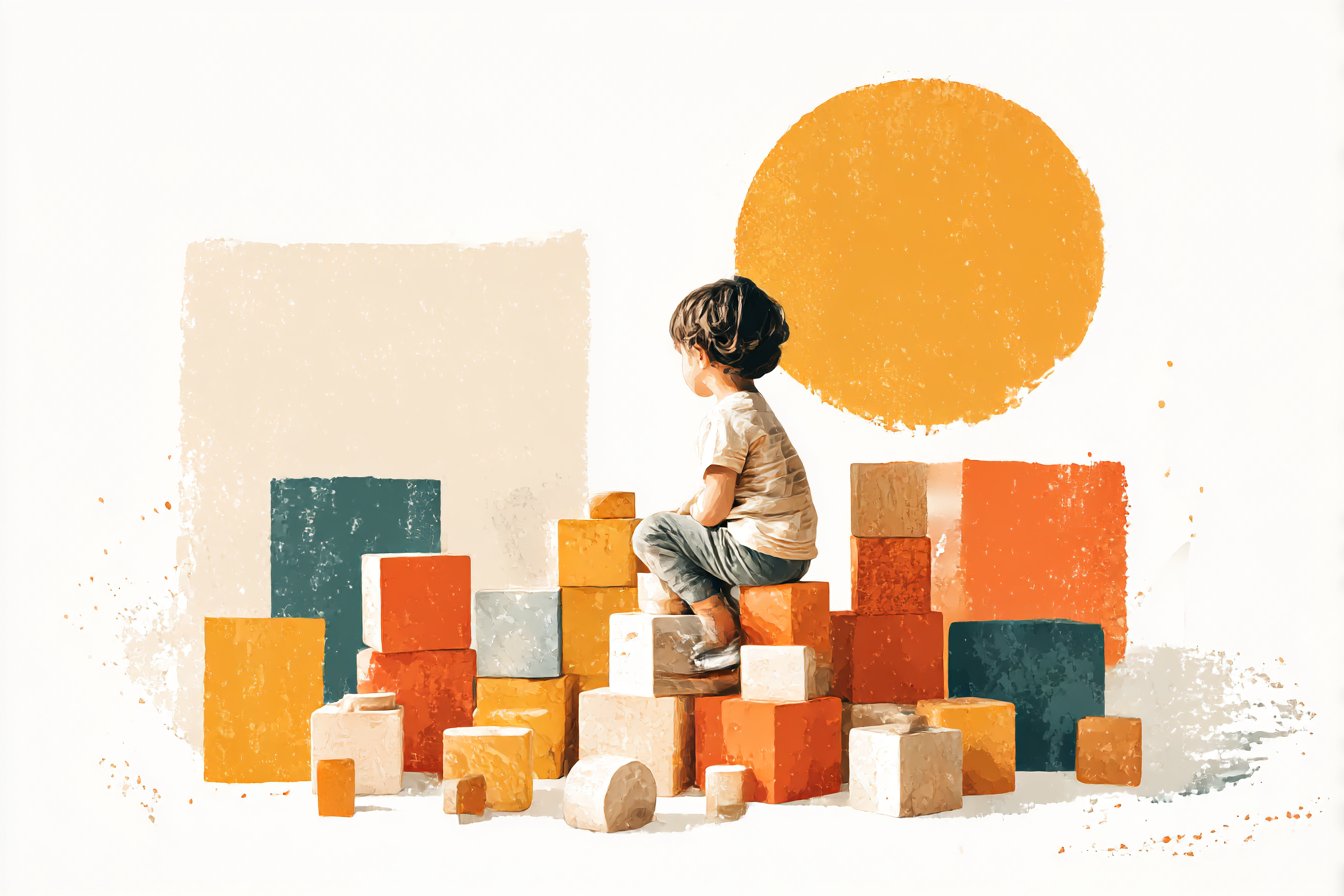 Children often mimic adult behaviors, so your example can be powerful in teaching them to keep their space tidy.
Celebrate their efforts. Praise your children when they successfully maintain their toy area. Positive reinforcement encourages them to continue taking responsibility for their space.
By implementing these strategies, you can create a sustainable, clutter-free environment that benefits both you and your children.
Conclusion
Embracing the journey of decluttering your kids’ toys can be a game-changer for your household. By creating a more organised and calming environment, you’re fostering meaningful play and reducing stress for everyone. Remember to assign specific places for toys, rotate them periodically, and use transparent containers to keep things tidy.
Make tidying up a daily routine and model cleanliness behavior to set a good example. Celebrate your children’s efforts to reinforce positive habits. With these practical tips, you’ll create a sustainable, clutter-free space that benefits both you and your kids. Happy decluttering!

Carl, an ardent advocate for sustainable living, contributes his extensive knowledge to Zero Emission Journey. With a professional background in environmental policy, he offers practical advice on reducing carbon footprints and living an eco-friendly lifestyle. His articles range from exploring renewable energy solutions to providing tips on sustainable travel and waste reduction. Carl’s passion for a greener planet is evident in his writing, inspiring readers to make impactful environmental choices in their daily lives.