
The Importance of Decluttering Craft Supplies
Decluttering craft supplies transforms your workspace into an inspiring and efficient area. You can focus on current projects and creativity with fewer distractions.
Benefits of Having an Organised Craft Space
An organised craft space offers several benefits. Firstly, it boosts productivity by making it easier to find tools and materials. For example, you won’t spend time hunting for that specific shade of paint or type of glue.
Secondly, a tidy space reduces stress. When your materials are neatly stored, you can start crafting immediately without feeling overwhelmed. This sense of order fosters a calm environment, enhancing your overall crafting experience.
Thirdly, you can save money by avoiding duplicate purchases.
 Knowing what you already have prevents unnecessary spending on items you don’t need.
Challenges in Decluttering Craft Supplies
Decluttering craft supplies isn’t without challenges. Sentimental attachments to items can make it tough to let go. For instance, you might hold onto fabric scraps from a special project, even if you don’t plan to use them again.
Assessing the utility of supplies poses another challenge. Sometimes, deciding if you’ll need a particular tool or material in the future is difficult. It’s easy to keep items “just in case,” leading to unnecessary clutter.
The process itself can be time-consuming. Sorting through years of accumulated supplies requires effort and commitment. However, breaking it down into manageable tasks can make the process more achievable.
Strategically addressing these challenges helps you maintain a more organised and serene crafting space. Dealing with sentimental items gently, assessing real utility, and managing time effectively are key to successful decluttering.
How to Start the Decluttering Process
Decluttering your craft supplies opens up space and boosts creativity. Follow these steps to begin this journey.
Sorting Your Supplies
First, gather all your craft supplies in one place. It helps to see everything you own to avoid overlooking items. Next, group similar items together—yarn with yarn, paints with paints, etc. This method encourages you to assess the quantity and variety of each category. Set aside any damaged or unusable items for disposal.
Evaluating What to Keep
Prioritise the items you use regularly. Consider the frequency of use, the condition, and whether it fits your current crafting projects. Ask yourself if a piece sparks creativity or holds sentimental value. If it doesn’t, it might be time to let it go. Use storage solutions like clear bins or labeled drawers for remaining items to keep your space organised and accessible.
You Might Also Like
Best Practices for Organising Craft Supplies
Achieving an orderly crafting space involves employing effective strategies. You create a more enjoyable and productive environment by using smart methods.
Efficient Storage Solutions
Choosing the right storage solutions is crucial. Clear plastic bins allow you to see contents without opening them. Stackable bins save space and keep items organised. Drawer organizers help allocate specific spots for smaller supplies like beads or thread.
Shelving units maximise vertical space. Wall-mounted shelves can hold jars, baskets, or boxes, freeing up your work surface. Over-the-door organizers are perfect for storing rolls of vinyl, ribbons, or fabric.
Labeling and Categorizing
Labeling containers ensures you know where everything is. Use a label maker or write clearly on sticky labels. Categorize supplies by type. For example, keep all paints in one bin and all knitting tools in another.
Colour-coding can simplify the process. Assign colours to different categories. For example, blue labels for sewing supplies and green for painting materials. This visual aid speeds up the search for items.
Consult these practices to maintain an efficient and inspiring crafting environment.
Maintaining a Decluttered and Organised Craft Space
Routine Cheques and Updates
Regularly assess your craft space to ensure it remains tidy and functional. Set aside time each month to review your supplies. Remove items that are no longer useful, like dried-out paints or broken tools. Evaluate your storage solutions to verify they’re efficient. Clear plastic bins, drawer organizers, and shelving units should still be accessible.
Take note of how often you use each item. Store less frequently used supplies in higher or lower places, keeping everyday items within easy reach. Label bins and containers for quick identification. Staying proactive with these cheques helps maintain an organised space.
Creative Reuse of Unwanted Supplies
Repurpose unused supplies to prevent waste and spark creativity. Transform scrap fabric into patchwork quilts or decorative bunting.
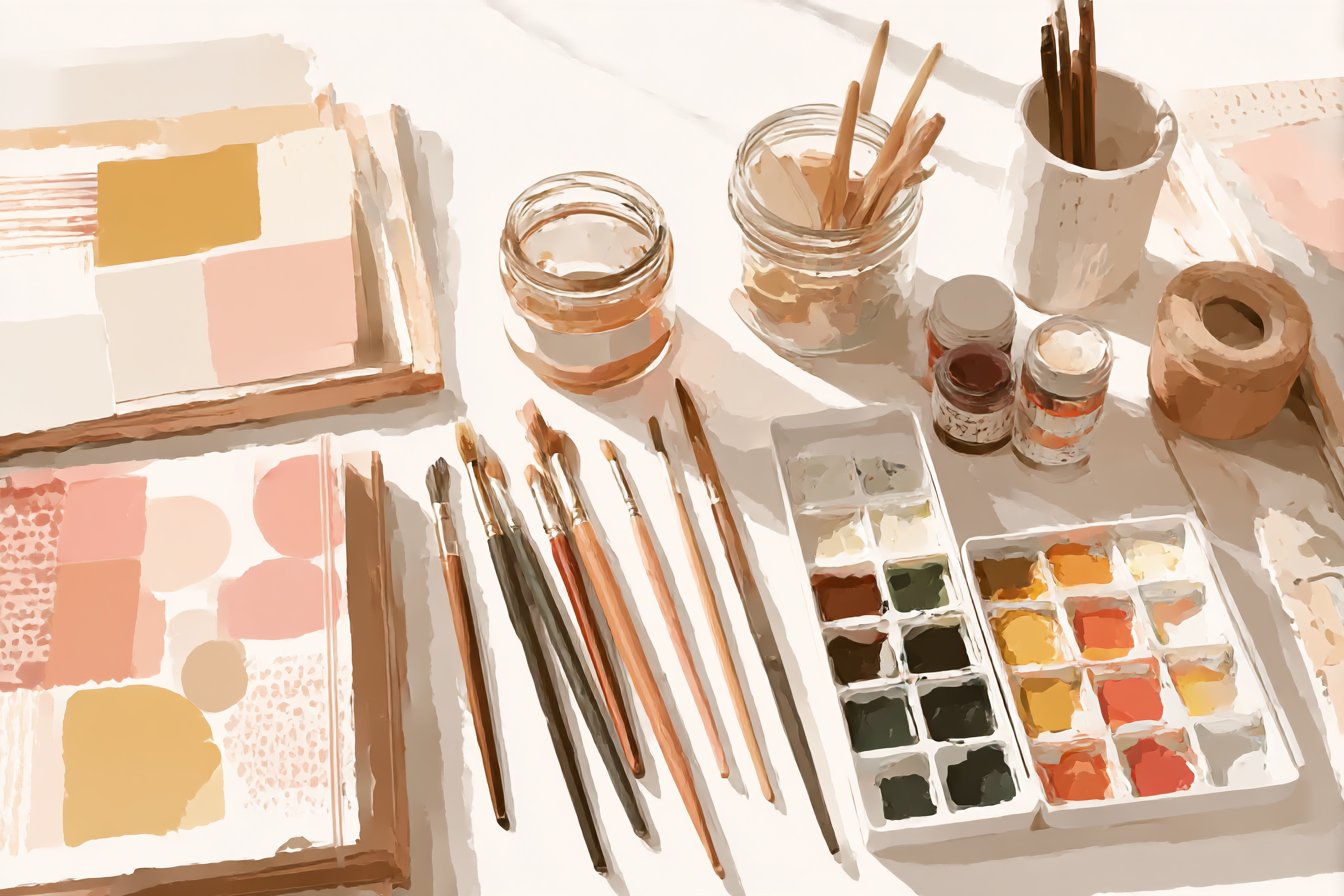 Empty thread spools can become quirky desk organizers. Use old paintbrushes for mixed media art projects.
Consider sharing unused supplies with fellow crafters or donating to local schools or community centres. This keeps your space uncluttered while benefiting others. By finding new uses for items, you contribute to sustainability and keep your craft space organised.
Conclusion
By taking the time to declutter your craft supplies, you’re setting yourself up for a more enjoyable and productive crafting experience. You’ll find that a well-organised space not only reduces stress but also fuels your creativity. Remember, it’s all about keeping what you truly use and love.
Routine cheques and creative reuse of supplies can help maintain this newfound order. Embrace the process, and you’ll discover that a tidy craft space is not just a dream but a sustainable reality. Happy crafting!

Carl, an ardent advocate for sustainable living, contributes his extensive knowledge to Zero Emission Journey. With a professional background in environmental policy, he offers practical advice on reducing carbon footprints and living an eco-friendly lifestyle. His articles range from exploring renewable energy solutions to providing tips on sustainable travel and waste reduction. Carl’s passion for a greener planet is evident in his writing, inspiring readers to make impactful environmental choices in their daily lives.