
The Concept of Minimalism in Fashion
Minimalism in fashion revolves around simplicity, focusing on fewer, higher-quality pieces that reflect your personal style without clutter.
Defining Minimalism in Clothing
Minimalism in clothing emphasizes owning fewer, versatile items that are timeless. This approach often includes neutral colours and clean lines. For example, instead of having ten trendy shirts, you might have three high-quality, classic tops that mix and match with other items in your wardrobe. The goal is to curate a closet that brings joy and serves you well, eliminating unnecessary excess.
The Evolution of Minimalism in Fashion
The minimalist fashion movement gained momentum in the late 20th century. Initially influenced by designers like Coco Chanel and later by brands like Jil Sander, minimalism shifted focus from ornate details to understated elegance. Today, it blends with sustainable fashion, advocating for mindful consumption and ethically produced clothing.
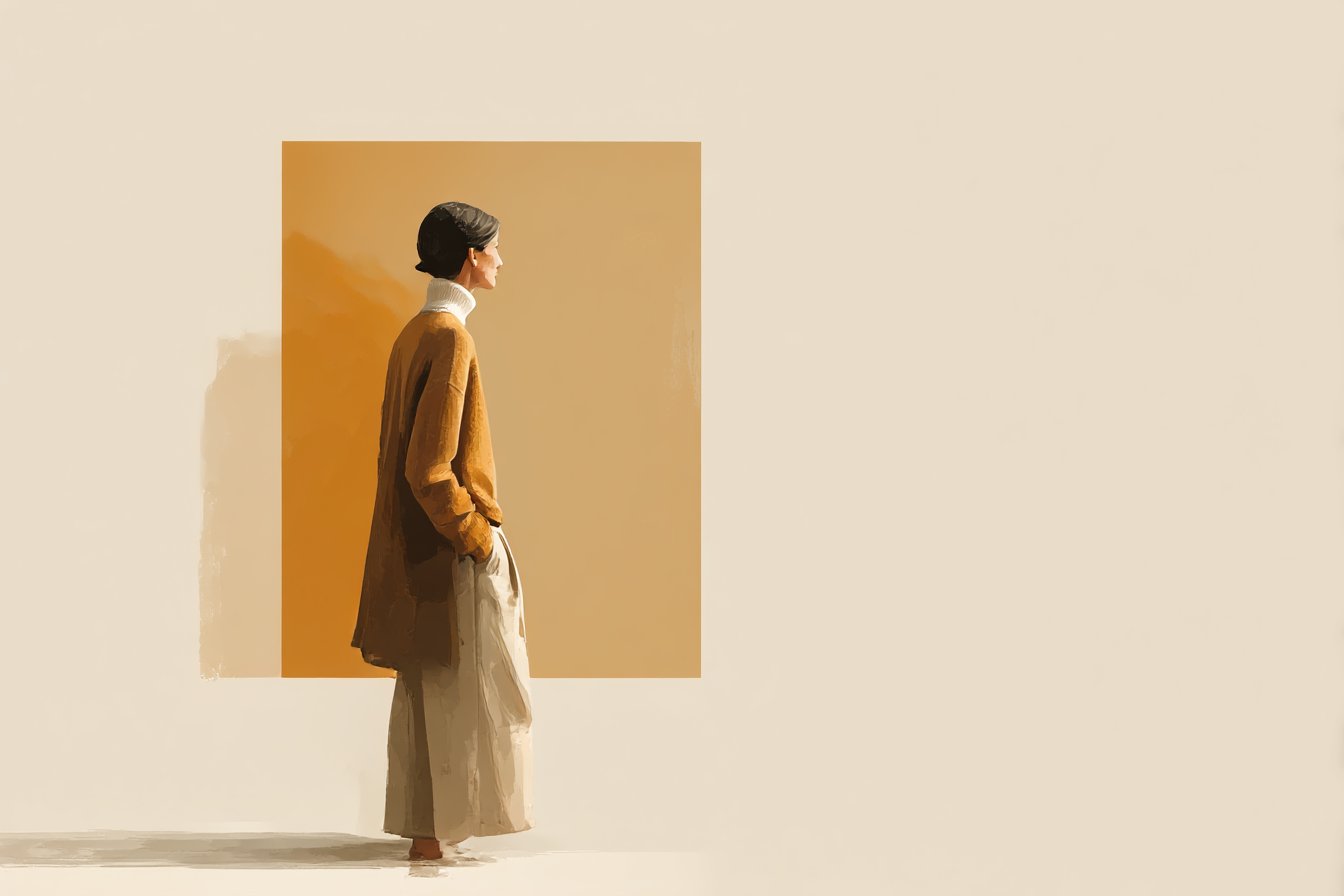 For instance, many minimalist wardrobes include well-made pieces that last years, reducing the need for frequent replacements and promoting environmental benefits. This evolution shows minimalism is not just a trend but a lasting shift towards intentional living.
Benefits of Choosing Quality Over Quantity
Choosing quality over quantity in your wardrobe offers numerous benefits. This minimalist approach promotes intentional living, supports sustainable fashion, and enhances your personal style.
Cost Efficiency in the Long Run
Investing in high-quality clothing saves money over time. While the initial cost may be higher, these pieces often last longer. For example, a well-made coat can endure for years, whereas a cheaper option might need replacing every season. Quality items retain their shape and colour, reducing the need for frequent purchases. Thus, instead of buying multiple inexpensive items, you accumulate durable pieces that provide better value.
Environmental Impact of Minimalist Fashion
Minimalist fashion significantly reduces environmental impact. High-quality items often come from brands prioritising sustainable and ethical production methods. Buying fewer clothes means decreasing textile waste and lowering your carbon footprint. For example, choosing a timeless design reduces the trend-driven cycle of discarding and replacing outfits. This approach not only conserves resources but also supports responsible manufacturing practices.
Key Factors in Selecting High-Quality Garments
prioritising quality over quantity in your clothing involves paying attention to several key factors. By focusing on these elements, you can build a wardrobe that is both durable and timeless.
Assessing Fabric and Construction
Fabric Quality: High-quality garments use superior fabrics. Look for natural fibres like cotton, linen, wool, and silk. These materials breathe well and age gracefully. Also, blends with synthetic fibres can enhance durability and elasticity.
Construction: Examine the stitching. Strong, even stitches indicate quality construction. Inspect the seams, hems, and finishing touches like buttons and zippers. Brands that use reinforced stitching and functional components ensure the garment’s longevity.
Feel and Weight: Touch the fabric. It should feel substantial and not flimsy. Higher thread counts and denser weaves often signify better quality. Ensure the fabric retains its shape and doesn’t appear worn or pilled.
You Might Also Like

Understanding Timeless Styles
Classic Cuts: Invest in classic cuts that defy fashion cycles. Items like a well-tailored blazer, a crisp white shirt, or a little black dress remain stylish year after year. These pieces can be mixed and matched effortlessly.
Versatile Colours: Neutral colours like black, white, grey, navy, and beige are versatile. They easily pair with various items in your wardrobe. A minimalist palette ensures your clothes never go out of style.
Functional Details: Seek garments with functional details. Pockets, adjustable features, and removable linings enhance versatility and practicality. These details often reflect thoughtful design, indicative of high-quality craftsmanship.
By focusing on these factors, you ensure your wardrobe remains both stylish and sustainable. Investing in high-quality, timeless pieces supports a minimalist lifestyle and promotes responsible consumption.
How to Transition to a Minimalist Wardrobe
Transitioning to a minimalist wardrobe involves focusing on quality over quantity. By prioritising well-made pieces that stand the test of time, you’ll achieve a simpler, more cohesive closet that reflects your personal style.
Decluttering Your Existing Closet
Start with a complete audit of your current wardrobe. Remove all items and categorize them into three groups:
- Keep: High-quality items you love and wear regularly.
- Donate or Sell: Items in good condition that no longer fit your style or needs.
- Recycle: Worn-out items that cannot be donated or sold.
For example, a beloved pair of jeans with a timeless cut would go into the “Keep” pile, a trendy shirt you haven’t worn in a year into “Donate or Sell,” and socks with holes into “Recycle.” Aim to keep only what genuinely serves your lifestyle and brings you joy.
Tips for Slow Shopping
Adopt a slow shopping mentality for future purchases. Focus on acquiring items that integrate seamlessly with your minimalist wardrobe.
 Here are some tips:
- Research Brands: Look for companies known for their quality and ethical practices.
- Set Criteria: Define what makes a piece worthy of your wardrobe, such as fabric, fit, and versatility.
- Invest in Staples: Prioritise essential items like a well-fitted blazer, classic white shirt, and durable shoes.
- Wait 24 Hours: Avoid impulse buys by giving yourself a day to reflect on potential purchases.
Consider a scenario where you’ve researched and decided to invest in a high-quality wool coat. By waiting 24 hours, you’re more likely to confirm its necessity and alignment with your minimalist goals. This approach ensures you make thoughtful additions to your wardrobe, enhancing its longevity and coherence.
Conclusion
Embracing a minimalist approach to clothing means more than just reducing your wardrobe size. It’s about curating a collection that truly reflects your style and values. By focusing on quality over quantity, you not only enhance your personal style but also contribute to more sustainable fashion practices.
Remember, transitioning to a minimalist wardrobe is a journey. Take your time to research, invest in timeless pieces, and make thoughtful decisions. You’ll find that having fewer, high-quality items can bring more joy and simplicity to your daily life. Enjoy the process and the newfound clarity it brings to your closet!

Carl, an ardent advocate for sustainable living, contributes his extensive knowledge to Zero Emission Journey. With a professional background in environmental policy, he offers practical advice on reducing carbon footprints and living an eco-friendly lifestyle. His articles range from exploring renewable energy solutions to providing tips on sustainable travel and waste reduction. Carl’s passion for a greener planet is evident in his writing, inspiring readers to make impactful environmental choices in their daily lives.