The Concept of Minimalism in Home Decor
Minimalism in home decor creates serene, harmonious environments. By embracing “less is more,” you can transform your space into a sanctuary of simplicity and tranquility.
Defining Minimalism
Minimalism emphasizes simplicity and functionality. It’s about reducing clutter and focusing on pieces that serve a specific purpose. You keep only what brings joy or utility, creating a sense of order. You clear surfaces, use neutral colour palettes, and favour clean lines. This creates an open, airy feel in your home that promotes relaxation.
Historical Context and Evolution
Minimalism originated post-World War II as a reaction against the excesses of previous design styles.
 Influenced by Japanese Zen, Scandinavian simplicity, and Bauhaus design, it promotes functional beauty. During the 1960s and 1970s, artists and designers like Donald Judd and Ludwig Mies van der Rohe popularized minimalist aesthetics. You can see these principles today in modern architecture and home decor, where less truly enhances more.
Key Principles of Minimalist Decorating
Minimalist decorating centres on simplicity and tranquility. It creates spaces that are functional and free of unnecessary clutter, promoting a sense of calm.
Simplicity in Form and Function
Minimalism emphasizes simplicity in both form and function. Each item in a minimalist space serves a specific purpose, often incorporating clean lines and geometric shapes. For instance, a minimalist sofa might feature a sleek design, devoid of intricate patterns or embellishments, ensuring it is both comfortable and visually pleasing. Furniture and decor are often multifunctional, such as a coffee table that doubles as storage. By prioritising practicality, minimalism ensures that every piece adds value without overwhelming the space.
Emphasis on Colour and Texture
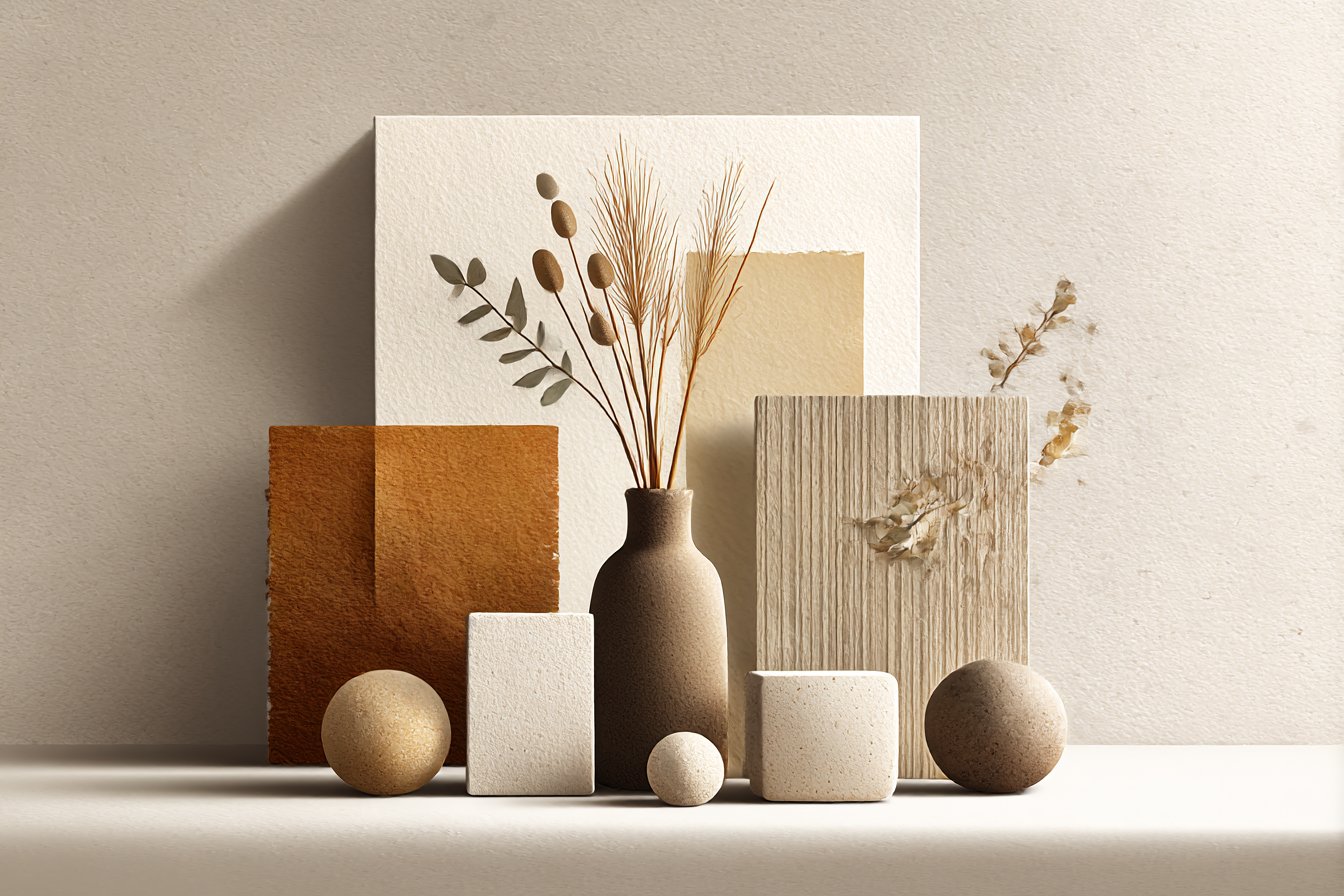
Colour and texture play vital roles in creating minimalist environments. Neutral colours like white, beige, and grey dominate minimalist spaces, enhancing the sense of openness and light. These colours create a blank canvas, allowing you to focus on the form and function of each item. Texture adds depth and interest without adding visual clutter. For example, a wool rug or a linen throw can introduce tactile elements that bring warmth and comfort. Combinations of textures, such as smooth ceramics paired with rough wood, create a balanced and harmonious look.
By integrating these principles, you can transform any living space into a sanctuary of simplicity and calm.
How Minimalism Maximizes Space
Minimalism creates a sense of spaciousness by focusing on simplicity and functionality. This approach enhances both the physical and mental environment, making your living space feel open and uncluttered.
Illusion of Larger Spaces
Minimalist spaces give an illusion of larger areas through strategic design choices. Clean lines in furniture and architecture draw the eye smoothly across the room, eliminating visual clutter. By using light, neutral colours, such as whites and greys, walls and furniture blend seamlessly, creating an airy atmosphere. Reflective surfaces, like mirrors and glass, enhance the brightness and depth of a room, further amplifying the sense of openness.
Functional Decoration
Every item in a minimalist home serves a dual purpose, combining aesthetic appeal with practical use. Multi-functional furniture, like a sofa with hidden storage or a wall-mounted desk, optimizes space without sacrificing style. Open shelving systems keep daily items accessible while maintaining an organised appearance. Select a few high-quality pieces to avoid over-decoration, focusing on functionality. For instance, choose a sleek pendant light that also acts as a statement piece to illuminate and accentuate the room.
Benefits of Adopting a Minimalist Approach
Minimalism offers numerous benefits that enhance your lifestyle. Embracing simplicity aids mental clarity, financial savings, and overall well-being.
You Might Also Like
Psychological Benefits
Adopting a minimalist approach delivers significant psychological benefits. Living with less reduces stress by eliminating clutter and creating a serene environment. Studies indicate that cluttered spaces contribute to anxiety and depression, while minimalistic spaces encourage tranquility and peace of mind. For example, a decluttered living room with open spaces and neutral colours fosters relaxation and reduces mental fatigue. Incorporating multi-functional furniture further enhances the serene ambiance, eliminating unnecessary items and promoting mental clarity.
Economic Advantages
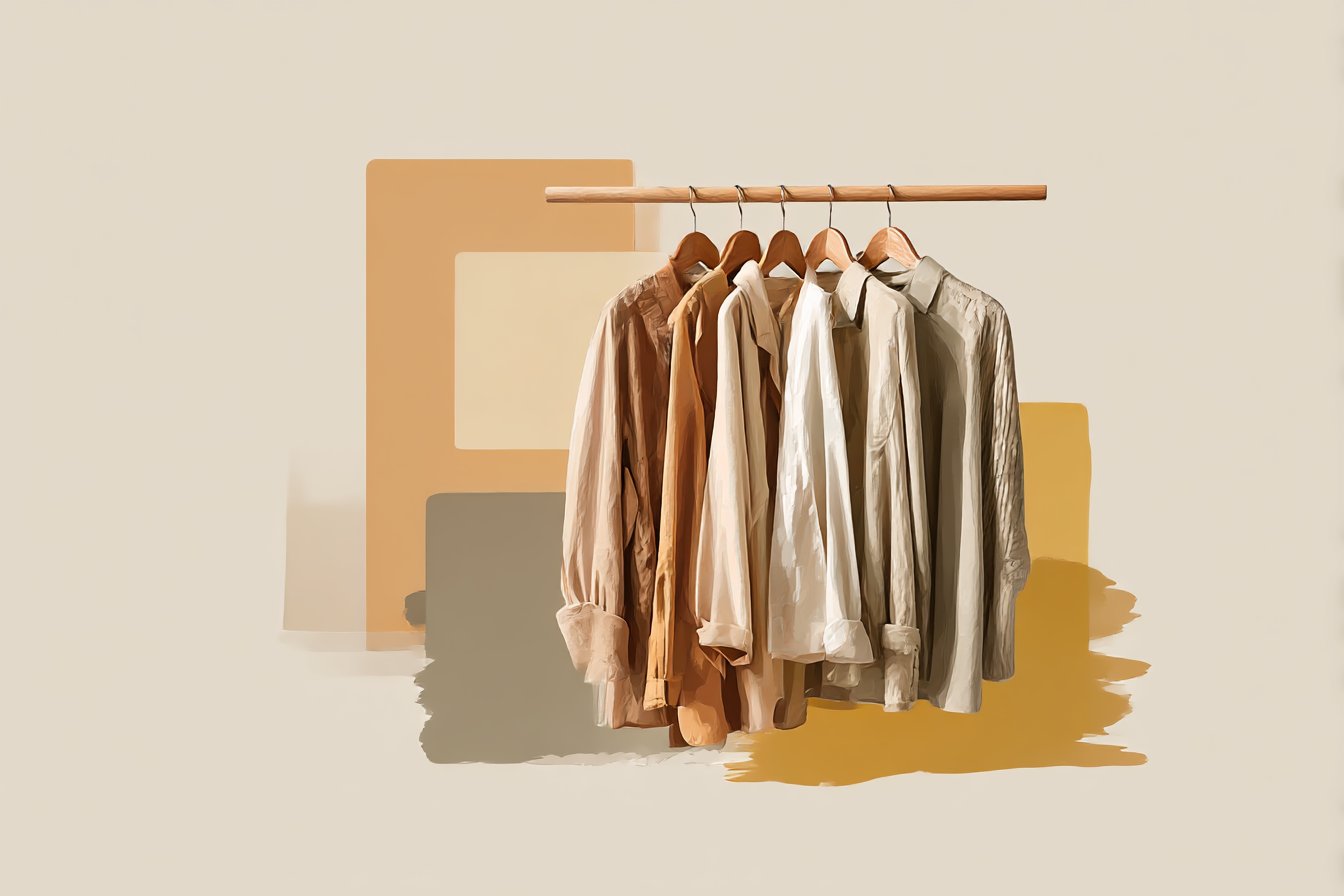
Minimalism doesn’t just benefit your mind; it impacts your wallet. Reducing unnecessary purchases saves money, allowing you to invest in high-quality, lasting items. For instance, opting for a few versatile clothing pieces instead of an overflowing wardrobe translates to fewer expenditures and more savings. Additionally, a minimalist home design lowers maintenance costs. With fewer items to care for, you spend less on repairs and replacements, conserving both time and money. This approach ensures that every item you own offers substantial value and utility.
Real-Life Examples of Minimalist Decor
Experiencing minimalist decor firsthand provides a clear understanding of its impact. The following case studies illustrate practical applications and successes in adopting this design philosophy.
Case Studies and Success Stories
Open Spaces in Brooklyn: A couple converted a cluttered apartment into an airy retreat by decluttering and focusing on a monochrome palette. They proritized multifunctional furniture and natural light, resulting in both aesthetically pleasing and practical living spaces.
Silicon Valley Studio: An entrepreneur working from home optimized a small studio by incorporating built-in storage and eliminating non-essential items.
 Simplifying their environment increased productivity and reduced stress.
Scandinavian-Inspired Home: A family in Minneapolis embraced minimalist principles by using light wood textures, simple furniture, and neutral colours. This created a serene environment conducive to relaxation and family bonding.
Japanese Zen Garden: A homeowner transformed their backyard into a minimalist Zen garden with raked gravel, sparse plantings, and simple stone arrangements. This outdoor space offers tranquility and a place for meditation.
Tiny House Movement: Many have joined the Tiny House movement, which embodies minimalist ideals. By living in smaller spaces and reducing belongings, they experience financial freedom and a simplified lifestyle.
These examples illustrate that minimalist decor isn’t just about aesthetics; it’s a lifestyle choice that enhances well-being and functionality in various living conditions.
Conclusion
Embracing a minimalist approach to decorating can truly transform your living space. By focusing on simplicity and functionality, you create an environment that promotes mental clarity and relaxation. Plus, you’ll find that your home feels more spacious and inviting.
Minimalism isn’t just about reducing clutter; it’s about making intentional choices that enhance both aesthetics and practicality. Whether you’re inspired by Japanese Zen or Scandinavian design, the benefits of a minimalist lifestyle are undeniable.
So, why not give it a try? You might discover that less really is more, leading to a more peaceful and fulfilling home life.

Carl, an ardent advocate for sustainable living, contributes his extensive knowledge to Zero Emission Journey. With a professional background in environmental policy, he offers practical advice on reducing carbon footprints and living an eco-friendly lifestyle. His articles range from exploring renewable energy solutions to providing tips on sustainable travel and waste reduction. Carl’s passion for a greener planet is evident in his writing, inspiring readers to make impactful environmental choices in their daily lives.