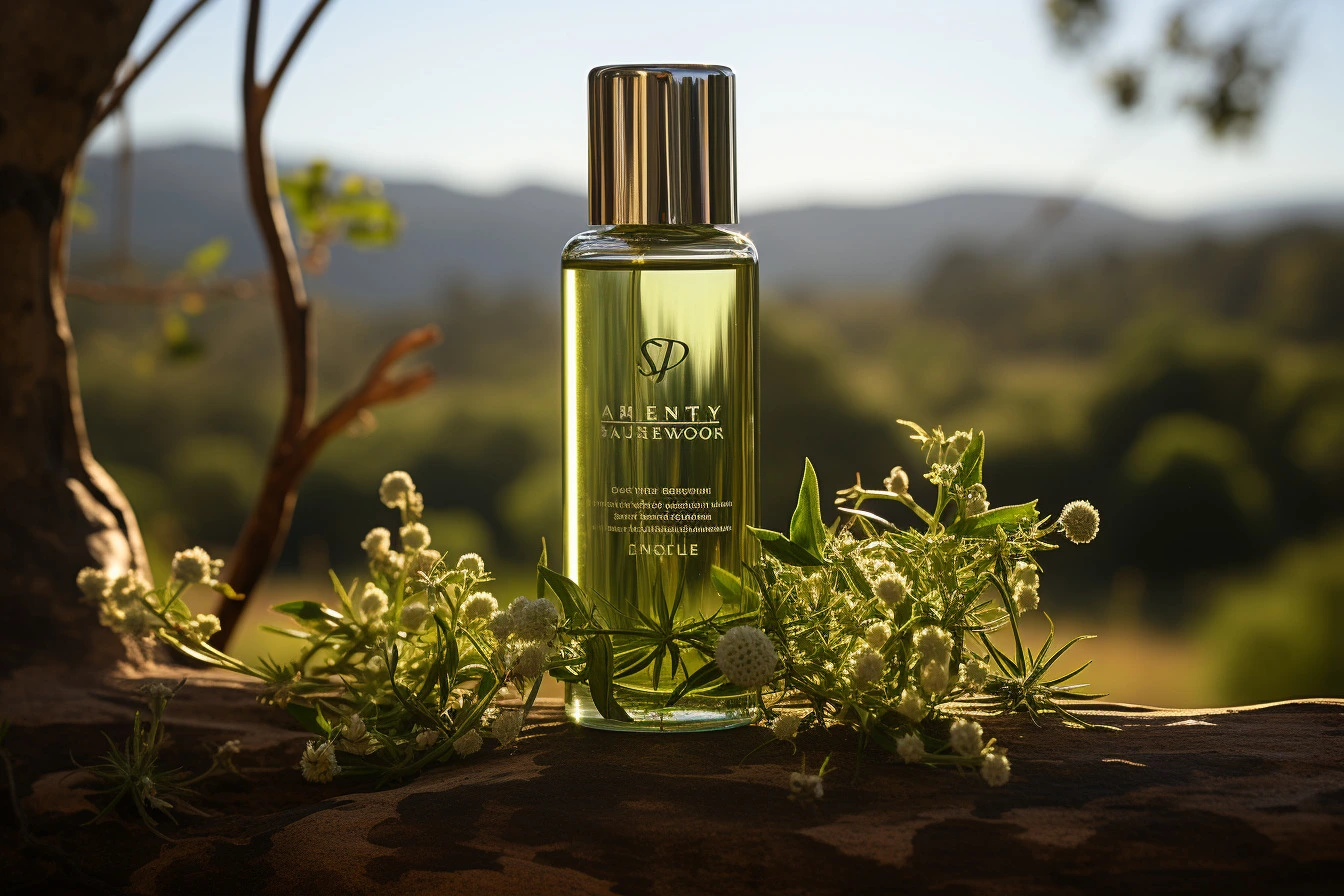
In our modern world, every decision we make has ramifications far beyond the personal realm, impacting ecosystems and communities all over. Even something as small as a beauty routine needs scrutinizing when you consider it—serums, toners, lotions, and potions that promise us everlasting youthfulness. The products usually come in plastic containers full of nasties such as synthetic chemicals or preservatives, which can be detrimental to not only ourselves but also contribute hugely to an environmental disaster already occurring.
Have you ever thought of a way to nourish your skin while taking care of the planet? This curiosity propelled me on an incredible journey into sustainable skincare, which isn’t only trending; it’s about making sure we’re doing our best for both ourselves and nature. It encourages us to redefine beauty from the viewpoint of environmental protection and wellness.
So how can this be achieved?
For years, I was drawn to using the “best products” of widely-known skincare brands. But eventually my curiosity got the best of me, and it inspired me to look for alternatives that not only work with my skin but also share my values as an eco-friendly global citizen.
Once you start looking at all the environmental and health issues related to regular beauty regimens, like non-recyclable packaging polluting our oceans or parabens and sulfates potentially disrupting hormones, it’s really eye-opening! We have to keep in mind that anything we put on our skin will inevitably end up inside us. Yikes! When I put together the facts, it seemed like my beauty routine needed a revival—not just for me but also for our environment. That’s why I started looking around and wanted to take advantage of what nature had to offer—for both ethical reasons as well as appearances.
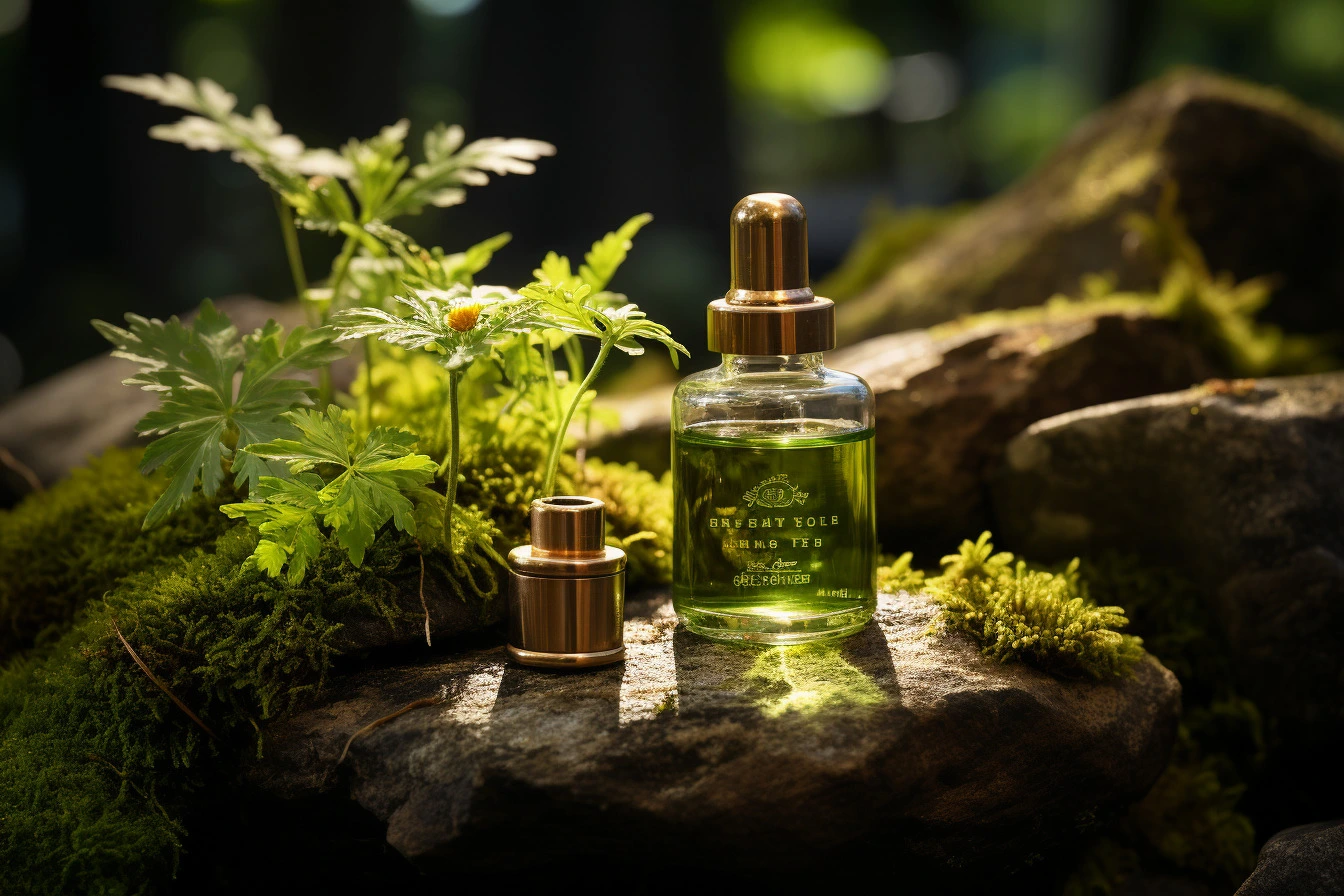
Natural Ingredients and Their Advantages
As my search went on, I eventually realized that sustainable skincare isn’t an alternative; instead, it celebrates all of nature’s wonders, such as aloe vera, shea butter, and tea tree oil. Let’s look at aloe vera in particular. How could this be useful?
Famous for its hydrating and anti-inflammatory features, aloe is like a strong drink of water for your skin. It comforts, recovers, and reinvigorates you without any artificial additives. What’s more, it’s easy to obtain and develop with no real environmental impact. This contrasts greatly with synthetic moisturizers, which often come from non-renewable resources and can be hazardous for aquatic life when washed away.
Furthermore, there exists shea butter, an extravagantly creamy substance derived from the nuts of African shea trees. How luxurious!
I’ve felt the power of shea butter firsthand during harsh winters. It acts as a shield that maintains moisture but doesn’t clog pores, keeping your skin moisturized and protected. On top of all this good stuff, when ethically sourced, it can provide some real income for rural communities, which is like getting double payment!
I recently came across tea tree oil too—an amazing liquid with anti-acne and antifungal properties that even outshines many chemically based treatments you get from stores.
Every drop of this incredible oil seemed to capture the strength of the tea tree, a native plant from the damp Australian lands that is able to survive and flourish even in difficult circumstances. Could there be a more perfect metaphor for being resilient? It’s not just about different components individually; it’s all about what happens when these ingredients come together synergistically. I’ve made some skincare combinations with natural elements, personally selected by me, and they gave out astonishing results! My skin was healthier-looking and much brighter. And guess what else? At the same time, I was doing something good for others too.
Giving up chemically-made skincare products not only eliminated the feeling of guilt I had about the environment; it felt like finding some kind of ancient knowledge, a mostly forgotten story that brought together individual happiness, community health, and global well-being. It’s incredible to think these things have been growing in our yards or around us all along—something so close by yet still accessible from nature gives me hope. That each person has the potential power to make an impact with mindful decisions really puts my faith back into humanity again!
My individual experience with these amazing natural ingredients is more than just a casual story to tell my friends; it has genuinely unveiled the real power of nature in taking care of our skin, all while considering how we can protect the environment. Thus, as we make strides towards leading sustainable lifestyles, why not involve such elemental marvels? They remind us that Mother Nature’s generosity knows no bounds; they demonstrate an effort from each one of us to look for beauty that goes beyond physical appearance and something deeper within; this should not take away but rather add up—both ourselves and Earth will benefit.
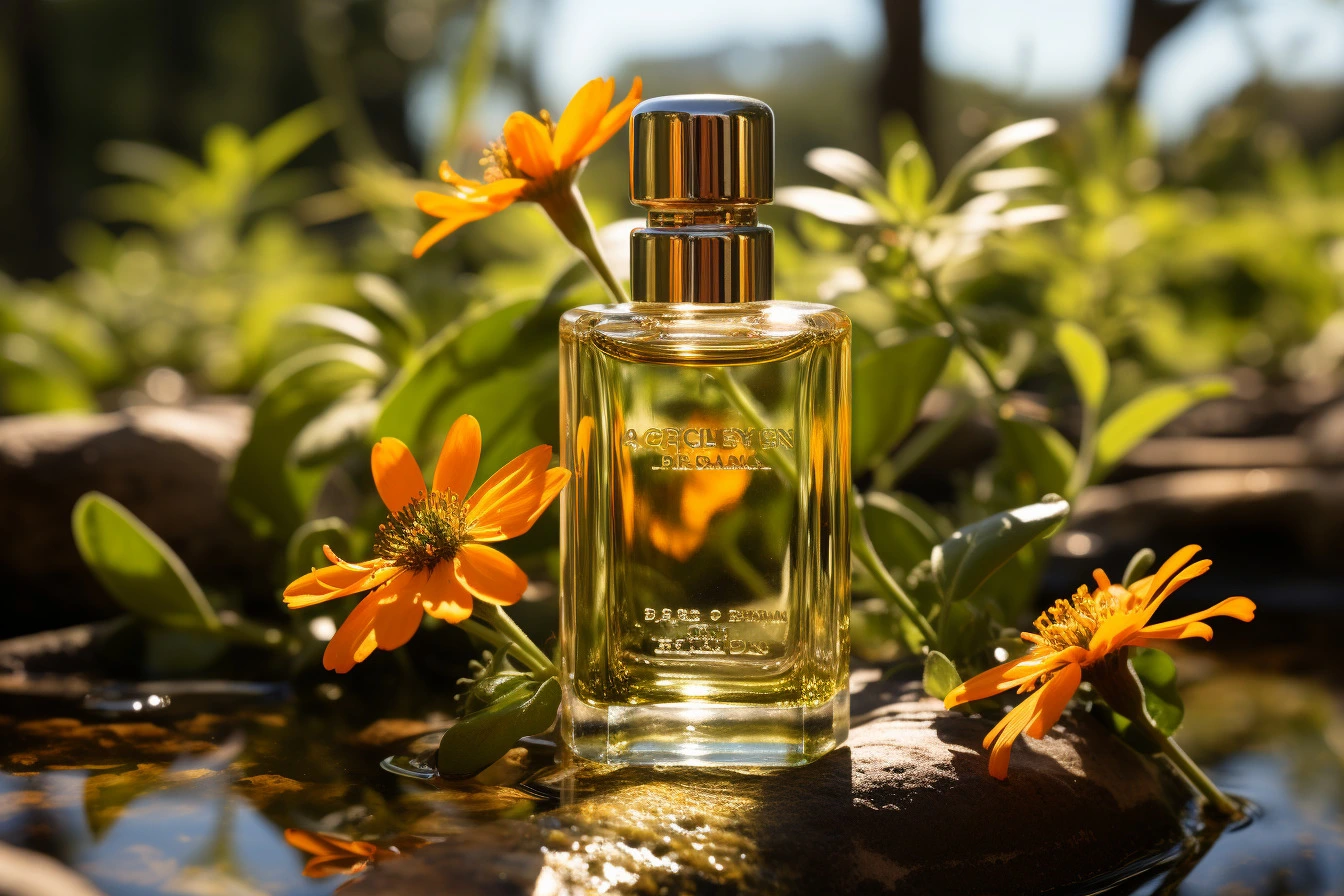
Crafting Our Own Natural Skincare Solutions: The Alchemy of Sustainable Beauty
As I advanced further down my path to sustainable skincare, the results of using natural ingredients only kept getting better and better. So it was no surprise that I suddenly found myself wanting an even more individualized experience—making up my own skin care concoctions! What could be more satisfying than knowing exactly what goes into every product you use on your body? Plus, when we make informed decisions like these, not only do we look out for our well-being, but we also embrace a profound act of stewardship by taking good care of the planet, which supports us all. It’s high time now that we get behind the revolutionary movement towards sustainability in beauty products; after all, there is true charm and serenity within both ourselves as individuals and with nature itself.
Imagine being in control of every single ingredient that goes onto your skin, right down to the last drop of essential oil. Making homemade masks, scrubs, and moisturizers isn’t just a challenge for your cooking skills; it’s an experience with nature you can meditate on creatively. How about creating a facial scrub with finely ground oatmeal combined with raw honey and some drops of tea tree oil? Can it get any more empowering?
As you blend these components, it seems like conducting an orchestra of scents and textures—every ingredient bringing its own exclusive features to make a final result that’s infinitely better than the sum of all its parts. Now let’s talk about product freshness and efficiency since this is where your DIY excursion can either flower or wither away. Freshness matters, so it’s best to craft smaller batches. Put money into dark glass jars to keep your crafts in them, as they not only help preserve the goods for longer but are also eco-friendly and repeatable too!
My go-to tip for anyone looking to improve their skincare routine is to always store water-based recipes in the fridge and do a patch test before applying anything new. Safety and effectiveness should work together!
I’m excited to share one of my favorite facial masks made with avocado, aloe vera gel, and shea butter. Avocado’s creaminess combined with aloe’s calming properties and the moisturizing power of shea butter make it an absolute delight. Not only does your skin feel supremely nourished after use, but you’ll also notice a brighter complexion along with a softer texture. It really feels like magic on my skin! My pursuit to craft DIY skincare recipes has been eye-opening, but let’s be honest: life is hectic. There are days when I’m just too busy for the luxurious task of making a homemade face mask. This is why it’s so important to know sustainable brands that put natural ingredients and ethical practices first; they give us an easy yet responsible choice.
Unfortunately, eco-friendly skincare isn’t completely free from marketing ploys either.
Terms like “natural” and “eco-friendly” get thrown around a lot, making it tough for people desperately seeking responsible choices. This is known as greenwashing in the industry. The way to separate real eco-companies from frauds requires some research work. Be sure to look at all component labels carefully; search for endorsements such as USDA Organic or EcoCert. Are they proposing refillable selections? Do they follow zero-waste packaging policies?
I’ve been lucky enough to find several remarkable sustainable skincare brands on my journey so far!
One such brand out there is XYZ, which grants us a revitalizing serum purely made from botanical extracts. Not only does this product do awesome things to your skin, but its glass packaging and soy-ink labels were designed with an eco-friendly mindset in mind too! I’m also keen on ABC; they’re one of the brands that you can trust for cruelty-free makeup options, so we don’t have to worry about feeling guilty as soon as we think of beauty products.
So there it is, folks!
Whether you choose to put on the alchemist’s hat and make your own skincare magic or go for the ease of tried-and-true eco-friendly brands, keep in mind that every decision we make has a ripple effect in life. I’ve taken both routes—mixing together homemade recipes with products from sustainable companies—so let me tell you: sustainable beauty isn’t an endpoint; it’s an ongoing process full of learning experiences. It is not only a step toward self-care but also one towards improving planetary wellbeing.

Reducing Waste in Beauty Routines: Making Conscious Choices for a Cleaner Planet
As we keep exploring and broadening our horizons, let’s opt to become the caretakers of beauty, which lauds life in all its colorful diversity while treasuring Earth, our ultimate provider of everything that keeps us alive and attractive. This journey towards sustainable skincare I am stepping on also opened my eyes to yet another urgent issue: the astonishing amount of trash produced by people’s beauty routines! Just think about how many plastic bottles, tubes, and jars end up in landfills every single year.
It’s scary, but luckily we can do something to change it. Moving towards a lower-waste beauty routine isn’t so much an ambitious task as it is taking some intentional steps that bring us closer to having a better relationship with the Earth.
One of the smaller yet more meaningful changes I’ve made has been swapping out my disposable cotton pads for reusable makeup pads. Not only does this have positive environmental benefits, but it also feels really indulgent! These reusable ones, which are typically made from all natural materials like organic cotton or bamboo fibers, feel amazingly soft against your skin.
Reusable items like containers are both cost-effective and eco-friendly since you can wash them countless times.
Yet, decreasing waste is more than just using reusable stuff; refills and products without packaging also contribute to the cause. Nowadays, some progressive companies provide refill stations where consumers get a chance to fill their glass holders with shampoo, conditioner, or lotion, meaning no single-use plastic! Personally, I tend to opt for package-free solutions such as solid-bar shampoos or soaps that come wrapped in thinly recyclable paper. How awesome is that? Now let’s chat about excess consumption. It seems so easy to be tempted by the trendiest items, particularly when influencers are calling them’must-haves’. But do we genuinely require them? A core aspect of my low-waste beauty regimen journey was examining my real needs. Did I really need five distinct moisturizers, or could one multi-use product get the job done? This analysis led me to a more minimalistic yet potent beauty routine. My buying choices became much more conscious, driven out of necessity rather than impulse, thus decreasing both waste and clutter.”
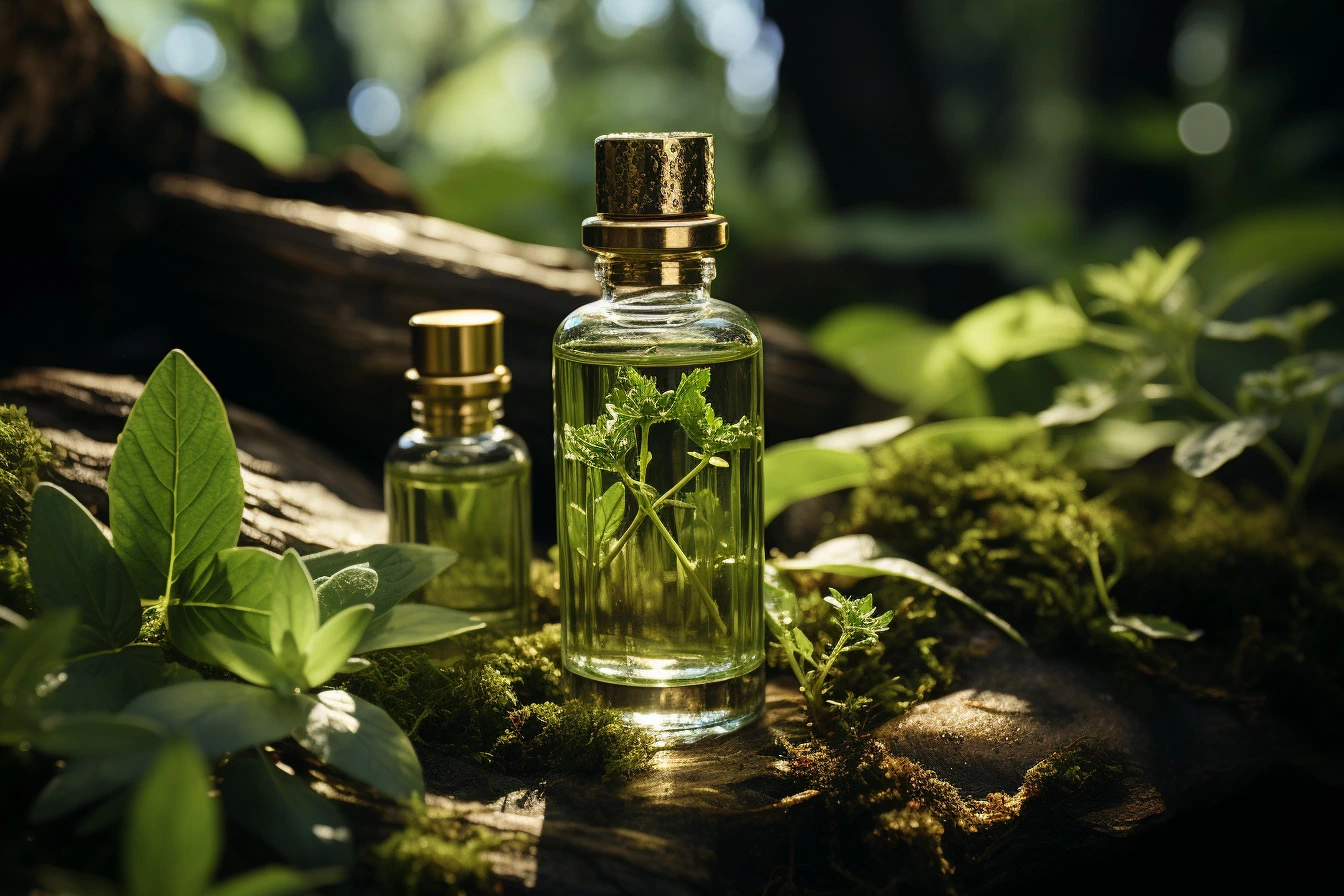
Finding Balance in a Sustainable Beauty Regimen
Reflecting on my journey, I’m really enjoying the new sense of balance and purpose that comes from making my beauty practices match up with what’s important to me. Incorporating natural ingredients, giving DIY recipes a try, supporting eco-friendly brands authentically, and decreasing waste have all played their part in creating something more meaningful for me. My skin is cared for better now, plus I can sleep soundly knowing that I’ve done right by both myself and the planet too!
So here you are at your own crossroads—why not take it? Jump into sustainable beauty without hesitation, as this path provides much more than just healthy-looking skin; it also nourishes our spirit. Let’s work together towards finding an approach to using cosmetics that respects us as well as our home environment. After all, nature itself brings out everybody’s inner glow! Every decision we make has the potential to create positive change, so how about starting small today? Doing something tiny will eventually grow into one big sustainability forest!