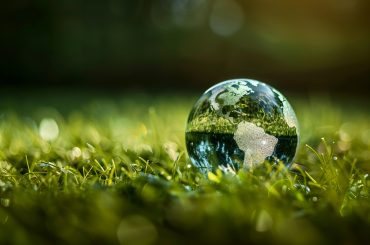
Every breath we take, every calendar we fill, every pound we shed, and every move we make—far from occurring in isolation—all draw us into the intricate web of life. Every thread is connected, painting a vivid tapestry of existence that spans the microscopic to the majestic. At the heart of this interconnectedness lies the critical relationship between climate change and biodiversity. This nexus is not just a matter of scientific curiosity; it demands from us a deeper understanding and urgent action.
Climate change is dissecting the landscape. Driven by human activities, chiefly the burning of fossil fuels, deforestation, and industrial agriculture, such as cattle ranching and oil palm production, it has triggered a new era of environmental instability. Its impacts are profound and far-reaching, with no corner of the globe spared. From melting ice caps and rising sea levels to extreme, catastrophic weather events, the evidence is undeniable and the message is clear: the planet is warming at an alarming rate.
But what does this mean for biodiversity? The variety of life on Earth, biodiversity, is the linchpin of ecosystems that provide invaluable—and often times irreplaceable—services to humanity. These range from pollination, water purification, and disease control to climate regulation.
Suffice to say, it matters. As climates shift, habitats are altered or wiped out. Populations forced to adapt or migrate simply will not keep up with the rapid rate of change, and, in turn, species are threatened with extinction. Indeed, the sheer pace of environmental transition is driving the rate of biodiversity loss to levels unprecedented in human history.

Consider, for instance, the beleaguered coral reefs, described by Sir David Attenborough as “the rainforests of the sea,” which are undergoing bleaching events of increasing frequency and severity as global ocean temperatures rise. These vivid ecosystems support 25 percent of all marine species and provide food, income, and coastal protection to tens of millions of coastal inhabitants worldwide. Yet, they are increasingly emblematic of the tangled marriage between climate change and biodiversity loss.
The cascading effects of biodiversity loss on ecosystems and the services they provide are urgent. Species loss reduces the resilience of ecosystems, and their ability to withstand and recover from climate impacts, in turn exacerbating climate change. This creates a vicious cycle that threatens the bedrock of life on Earth.
In the face of such daunting challenges, it’s easy to feel overwhelmed. Yet, there is hope. The choices we make today can alter the course of our environmental legacy. This brings us to the pivotal role of sustainable living—the very heart of taking only what we need, ensuring future resources can support future generations, recognizing our place within the natural world, and executing our actions with mindfulness and responsibility.
Embedded within the broad tenets of sustainable living are the intricate details that may help us mitigate the effects of climate change and save biodiversity. Let it not feel trite; the journey we are about to embark upon is marked with purpose, and each of our actions is undeniable.
So, let’s examine how sustainable living practices can and do make a difference. We’ll draw upon current examples and motivations that entice us into a world we know we should embrace—the one where we redefine our relationship with this planet of ours, viewing ourselves as the stewards we are meant to be.

As the reality of climate change and its massive impact on biodiversity becomes clear, sustainable living becomes the way to go—a beacon of hope that helps us navigate our way to a more balanced and kinder relationship with nature. It goes beyond the fear and distress about the collapse of biodiversity and environmental protection. Sustainable living is a way that we can eat, travel, consume, and live that reduces our overall environmental impact and nurtures the health of our planet.
Changing Consumption: The Core of Sustainable Living
The core of sustainable living is mindful consumption. By thinking about what we buy, how it’s made, where it is produced, and what happens to the products we use as they reach the end of their lifecycle, we are engaging in sustainable living. This means choosing foods that are produced sustainably and locally. It translates to the reduction of waste by recycling, composting, and reducing single-use plastics. These activities don’t just keep more material out of our overflowing landfills. They tackle the pollution that is crippling terrestrial and aquatic ecosystems.
Another side of mindful consumption in sustainable living is eating more veggies and less meat, as studies have shown that it farts out a lot of greenhouse gases. Food production is a massive driver of deforestation and habitat destruction, and by weighing in on the side of food that is produced in a way that’s kinder to the environment, we are preserving biodiversity.
Energy Efficiency and Renewable Resources
Renewable energy in the form of solar, wind, hydroelectric, and other forms is another key to sustainable living. By doing away with fossil fuels, we can do away with a lot of the carbon that’s heating the planet. Making our homes and workplaces energy-efficient further reduces our carbon footprint. LED lighting, energy-efficient appliances, and decentralized energy systems that are part of smart home technology are all part of the sustainable living picture.
Transportation is a major source of carbon emissions, and sustainable living means promoting the use of public transportation, cycling, walking, and electric vehicles. These initiatives not only help reduce pollution but also encourage healthier lifestyles and vibrant communities. Biodiversity conservation is also about getting close to nature and understanding its importance.
By supporting protected areas, rehabilitating forests, and participating in the conservation efforts of an entire community, individuals can directly help preserve the habitats and species that depend on them. Gardens and green spaces in urban areas provide valuable wildlife refuges for pollinators and other species, thus promoting biodiversity in the concrete jungle.
Technology and innovation provide opportunities to go further and faster for the environment. Whether it’s to grow more with less water and fewer chemicals, produce clean energy, or make biodegradable materials, it has never been more possible to live sustainably. The power of the individual is also evident in citizen science projects that draw on ever larger pools of common knowledge to gather data on biodiversity, climate, and pollution.
Perhaps the sweetest fruit of sustainable living is its ability to bring people, communities, and even nations together for a common aim. Whether it’s a farm stand that gives us a taste of where our food comes from, a CSA program that lets us deliver fresh produce to people who don’t have it or a community garden that builds a stronger sense of community and environmental solidarity, every great city starts with a good neighborhood.
The worldwide shift towards sustainability is gaining momentum as we come to realize the inextricable link between climate change, the loss of biodiversity, and human well-being. Global pacts like the Paris Agreement and the Convention on Biological Diversity outline bold targets for decarbonization and habitat conservation. But while such agreements are critical, the real power lies in the actions taken by countless individuals and communities.

Living sustainably isn’t simply a series of dos and don’ts; it’s a mindset that respects the Earth and all its myriad inhabitants. It’s a journey of learning, adaptation, and activism. In this last section, learn how to implement sustainability in the real world. By adopting these strategies and working together, you stand to have a profound impact on the fate of our beautiful planet.
Practical Steps Towards a Sustainable Future: Individual Actions, Collective Impact
Though the path to sustainable living might seem formidable at first, it’s the sum of small, daily choices that ultimately determine the fate of our planet. In this final section, discover concrete strategies and actions for you, as an individual, to contribute to a more sustainable and biodiverse world. By integrating these practices into our lives, you’ll be not only slowing climate change but also championing the cause of conserving biodiversity.
Conscious Consumption: The Crux of Sustainability
Waste Not, Want Not: Take the three-fold approach to waste optimization by reducing what you use, reusing what you can, and recycling what you cannot. Strive for a zero-waste lifestyle by avoiding single-serving and disposable products and showing preferences for items that have minimal packaging.
Sustainable diet choices Climate-friendly food choices are key to cutting your carbon footprint. A plant-based diet has a smaller environmental footprint than a meat-centric one, and supporting local and organic practices can decrease the carbon emissions associated with both food production and transportation.
Mindful Shopping. Look for companies that are transparent about their supply chain and committed to sustainable practices. It’s also helpful to look for certifications as you shop. Anything from Fair Trade Certified to Rainforest Alliance Certified to USDA Organic has already been vetted to make your shopping choices a bit easier.
Greening Your Energy Consumption.
Energy Efficiency at Home. Invest in energy-efficient appliances, LED lighting, and a smart thermostat, which you can set to use less energy when you’re not at home. Consider a home energy audit as well, which can pinpoint where you might be losing energy and ways to improve.
Renewable Energy. Choose renewable sources of energy, like sunlight. That might mean installing solar panels on your roof or opting for a green energy provider. You can start small and buy solar-powered outdoor lights, or you can dream big and put solar panels on your entire roof; the selection is up to you.
Sustainable Mobility. The way we travel can be rethought.
Walk, bike, or take the bus or train instead of taking your car whenever you can. Doing so will cut carbon emissions from your transportation and will help your physical health and urban livability as well.
Eco-Friendly Vehicles. Sometimes driving is necessary. If that’s the case, consider buying a car that uses less energy, like a car that runs on electricity, or a lot less energy, like a car that’s a hybrid. Carpooling is another way to cut carbon from your transportation. By taking cars off the road, you cut emissions into the air without cutting your own ability to travel to the people and places you love.
Advocacy and education Share what you’ve learned with others.
Community Engagement. Join or start a local sustainability project with neighbors, such as planting a tree, starting a community garden, or cleaning up a playground. As you’re participating, know that bringing your community together for a single project supports the cause of climate change and can foster community awareness of and a spirit of environmental stewardship, as well as a willingness to take on bigger projects on behalf of the climate later.
Policy Advocacy. Push for better environmental policy from your elected leaders at the local, national, and international levels. Advocate for policies that cut emissions (like a carbon tax) and protect natural habitats while promoting sustainable development.
Support Conservation: Many organizations stand at the forefront of conservation. Consider donating or volunteering with one that speaks to your heart. Through citizen science projects, you can offer your time to collect data and contribute to local research on wildlife and the environment.
Create Wildlife Habitats: Transform a balcony or your garden into a wildlife sanctuary by planting native species, setting up feeders, or creating a pollinator garden. These pocket wildlife havens can help an urban ecosystem thrive.
In embracing these actions, we are making a commitment to the planet and future generations. Sustainable living is not an endpoint; it is a journey that requires continuous learning, adaptation, and improvement. It represents a departure from viewing nature as a mere pool of resources and realizing that it is a complex system that nourishes the lives of all in its domain, including our own.
The time has come for urgent action on climate change and biodiversity loss. The journey that lies before us may be a long one, but it is filled with hope. Each step that we take on the path towards sustainable living makes our planet stronger and more vibrant. By making informed choices, calling for change, and encouraging others to do the same, we can mend the cracks in environmental degradation and forge ahead on a sustainable path.