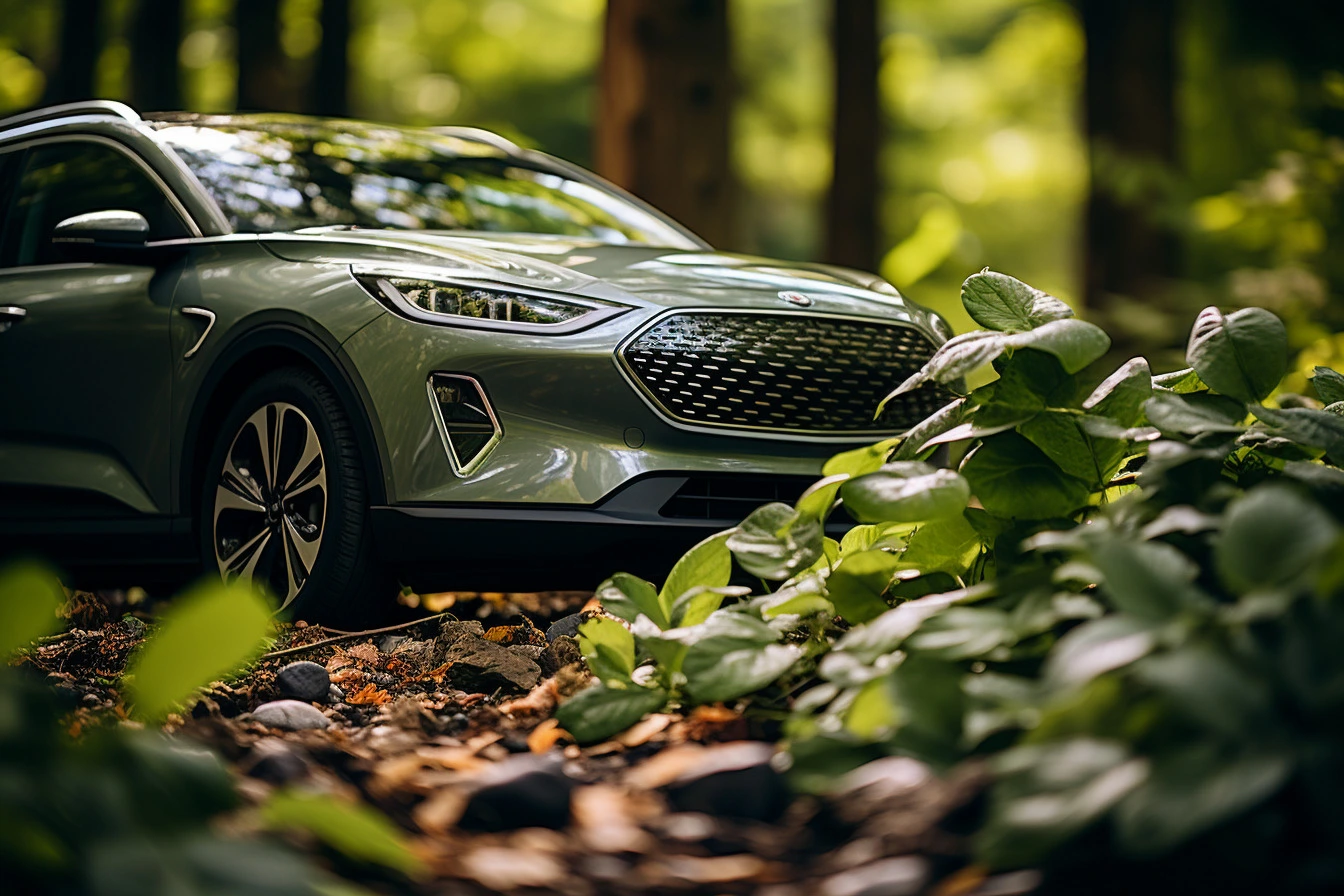
Hello there, fellow enthusiasts and curious minds! If you’re as comfortable as I am around (ZEV), then probably you will already have heard a lot about zero-emission vehicles and wondered what all those comments are about. Well, fasten your seatbelts (pun intended), because today we are going headfirst into the world of ZEVs, and let’s ensure that this ride is thrilling (literally).
For starters, exactly what are ZEVs? In simple terms, zero-emission vehicles refer to a vehicle that emits no exhaust gas from its on-board power source. This category includes battery-electric vehicles (BEVs), hydrogen fuel cell vehicles (FCVs), and some plug-in hybrids (PHEVs) under certain conditions. The common theme here is that all of these cars are engineered to dramatically reduce or entirely abolish harmful emissions compared with their traditional gasoline-burning counterparts.
Now, why am I—a self-confessed techie and tree-hugger—so excited about ZEVs? I mean, it’s not just that they are new and shiny (although that’s definitely a part of it). It’s because ZEVs represent a huge change in how we relate to transportation, energy, and the environment. They’re not simply cars; they are mobile parts of a cleaner and more sustainable future.

Let me tell you a story about this. Some years ago, I had the chance to test drive a new electric vehicle (EV). I was a little skeptical, I confess. Could it really offer the same kind of power and excitement as my faithful old gasoline-powered car? The answer, as I very soon found out, was an emphatic yes. The instant torque, the quiet ride, and just sailing past gas stations without so much as a second glance—it was an epiphany.
That experience was a turning point for me, and since then I have been a loud advocate for the transition to ZEVs.
But it is not just about the driving experience. It’s what ZEVs mean to our planet. Transportation is a major source of global greenhouse gases, and by switching to clean energy vehicles, we can make a serious dent in our carbon emissions. Furthermore, smarter grids and renewable energy sources mean that each day, the electricity fueling BEVs becomes steadily more viable. That’s even more reason to go ZEV!
So if you are a tech freak, a green warrior, or simply someone with an eye for the future, there has never been a better time to get interested in zero-emission vehicles. Keep your eyes peeled because we’ve only just begun, and I promise you, what comes next is going to be anything but dull.
The Nuts and Bolts of ZEV Technology
Going deeper into zero-emission vehicles, let’s examine the insides and mechanics of such cars, which need maintenance anyway. Differing somewhat from standard motor vehicles that happen to run on gasoline ZEV technology is not only pioneering but also has the potential to waylay habits in the motor world with unforeseen consequences.
Battery Electric Vehicles (BEVs): The Dream of Electricity At the cutting edge of the ZEV revolution, we have battery-electric vehicles. These run on nothing but electricity from a large battery pack, which you can charge at home or public charging stations. So what’s exciting about BEVs is that technology changes so fast. Battery capacity rises, charging time falls, and range improves.
A couple of years ago, who would have considered a car on electricity alone that could go over 300 miles in a single day? Today, both are possible, and it’s getting better.
I still remember the first time I plugged an electric car in to charge. Watching energy flow into the car, one cannot help but ponder the numerous possibilities. Imagine coast-to-coast drives powered by wind or solar energy.
This is not science fiction, but a future that we are in the process of building right now. What’s more, with developments like solid-state batteries finally beginning to show up from beyond the horizon, they offer even greater energy densities and safety levels than ever before. The future of BEVs now appears brighter than a fall day. Hydrogen Fuel Cell Vehicles (FCVs): The Water Vapor Machines
Now let’s talk about hydrogen fuel cell vehicles. FCVs may be ZEV’s minor league team, but that doesn’t make them any less interesting. They convert hydrogen gas into electricity to power an electric motor, with water vapor as the only emission.
The beauty of hydrogen lies in its abundance and potential for clean production. Although the infrastructure for hydrogen refueling is still in its infancy, the idea that you could refuel your car in minutes and have a range comparable to traditional gasoline vehicles is highly attractive. I got to play around with an FCV for a while, and the thing that tripped me out was refueling. Inserting the nozzle, watching the car “drink” hydrogen, so to speak—that’s glimpsing into what feels like a science fiction future.
But when you put your foot on the gas and realize nothing is coming out of the tailpipe except H2O, it makes you realize how much potential there is for clean, sustainable mobility.
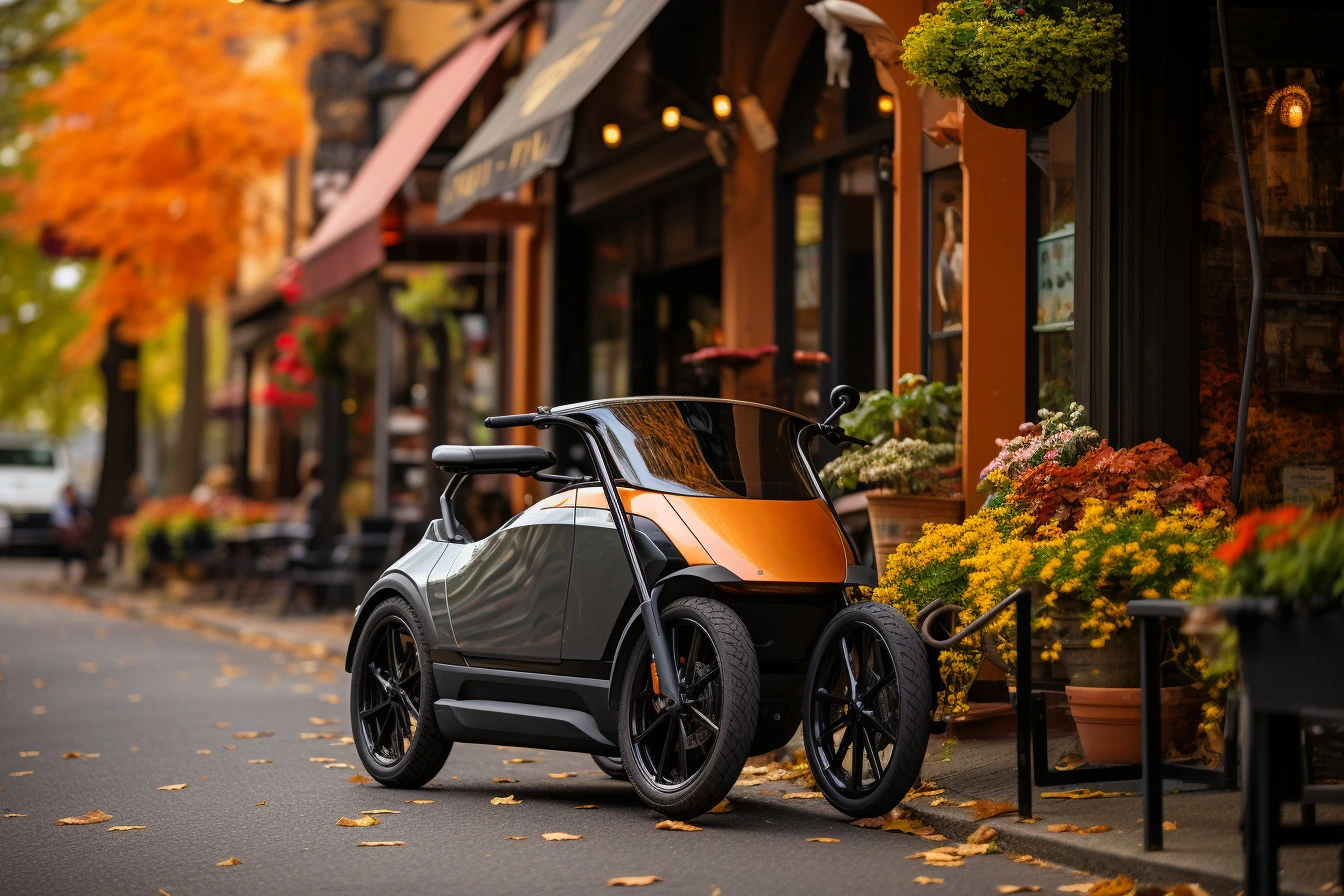
Plug-In Hybrid Electric Vehicles (PHEVs): Both in One Being The final, let’s not forget, PHEVs. They are a bridge between old technology and modern advances. For many, PHEVs represent the best of both worlds. They allow the user a significant all-electric driving mode commuter option for daily travel but also a gasoline engine in reserve for long trips on the road.
I got firsthand experience with a PHEV just now, and all of that is about. It showed me that the transition to zero emissions doesn’t have to be either/or. We can come up with flexible new concepts that greatly reduce emissions. While infrastructure and technology also develop steadily. Plus, it’s so quiet and smooth to drive in electric mode; afterwards, normal cars simply seem primitive by comparison!
The journey into the world of zero-emission vehicles is just getting started. With each passing day, there are more inventions to be had in this field and further investment. From advances in charging technology to self-driving ZEV autonomous vehicles, we are at the forefront of a new transportation era.
Cultural Shift in Zero-Emission Vehicles
During a period that is increasingly beginning to be called the “Era of No Emission Vehicles,” people will find that this is not simply a technological innovation but, in many ways, an entirely new cultural development too. ZEVs alter our relationship with cars, with nature, and with social organization itself.
This transformation is as fundamental as it is dynamic, anticipating a future that is not only cleaner and greener but also more communicative and innovative.

Social Impact of ZEV Adoption
The most exciting aspect of the transformation to ZEVs is its potential to transform cities. Think about living in a city where the air is clean, the sound of engines running no longer disturbs your sleep, and citizens can recapture public spaces from what used to be a patchwork quilt of parking lots and gas stations.
Visions such as these are already beginning to take shape in urban centers all over the world as governments and businesses invest heavily in electric public transportation infrastructure.
But the impact does not stop at cleaner air and calmer streets. The adoption of ZEVs is promoting a new spirit of environmental responsibility. People are beginning to take stock and become aware of their carbon footprints and what they can do to help stop global warming. A growing online community of ZEV enthusiasts is sharing information, trading experiences, and even starting up events. It’s a movement, and it’s gathering strength.
The Economic Paradigm Shift
The advent of ZEVs has also brought about changes in economics. The automotive industry, a domain that has long been dominated by traditional internal combustion engine (ICE) vehicles, is now changing at its very foundation.
New players are coming into the market, challenging old norms and pushing the boundaries of innovation. This race is not only to see who can make the fastest or most luxurious car but also to reshape how we move around in general for 21st-century people.
There is something deeply satisfying and empowering when you drive a vehicle that is powered by clean energy. With the quiet acceleration of an electric car or the sense that you’re in a vehicle from the future with hydrogen fuel cell vehicles, ZEVs provide a driving experience unlike any other. And then there is the community—you’re not just buying a car; you are also joining a group of pioneers, visionaries, and changemakers.
The road before us will be hard, but it is also full of potential. In choosing zero-emission vehicles, we are not simply adopting a new technology; we are taking part in a social revolution. We are declaring the shape of the next age.
So to all the dreamers, innovators, and trailblazers out there who I know are reading this: transportation’s future isn’t just an idea; it’s a choice. It’s choosing to drive cleaner, healthier, and, dare I say it, bigger! Together, we will go on this train ride, with our hearts wide open and minds free from restraint, because the future is there for us to define ourselves.
With that said, my friends, our long journey exploring the world of zero-emission vehicles comes to an end. I hope this journey has sparked your curiosity, ignited your passion, and perhaps, finally, inspired you to join the revolution. The future is bright, the road is wide open, and nothing but possibilities abound. Let’s go together. Will we drive toward a cleaner, greener, and more sustainable future tomorrow? Are you in?